Honduras
Mosquitia Pawisa: MOPAWI, Agency for the Development of the Honduras Mosquitia
MOPAWI promotes sustainable development in Honduras’ Mosquitia, the Rio Plátano Biosphere Reserve, a UNESCO World Heritage Site. Four different indigenous groups practice agriculture, fishing, hunting and gathering in wetlands, lagoons, mangroves, coral reefs and rainforest. https://www.mopawi.org/
Contents:
Belen and Tocamacho
Rio Plátano
Ahuas, Kropunta, Paptalaya
Kruta, Uhsibila, Puerto Lempira
Batalla
Rio Patuca
Plaplaya
Yabal Raya
Belén and Tocamacho
Miskito villages on the western edge of the Rio Plátano Biosphere Reserve.
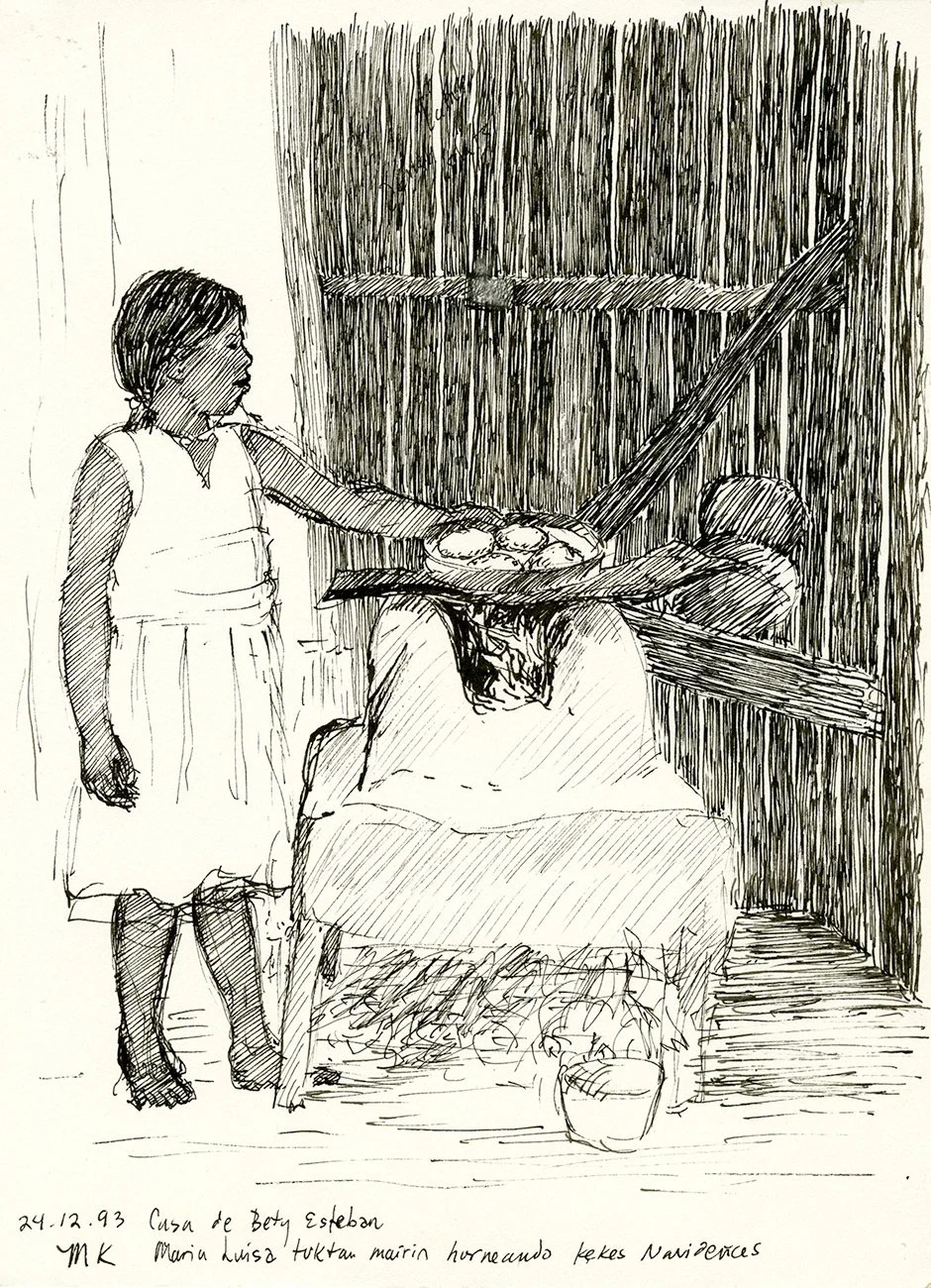
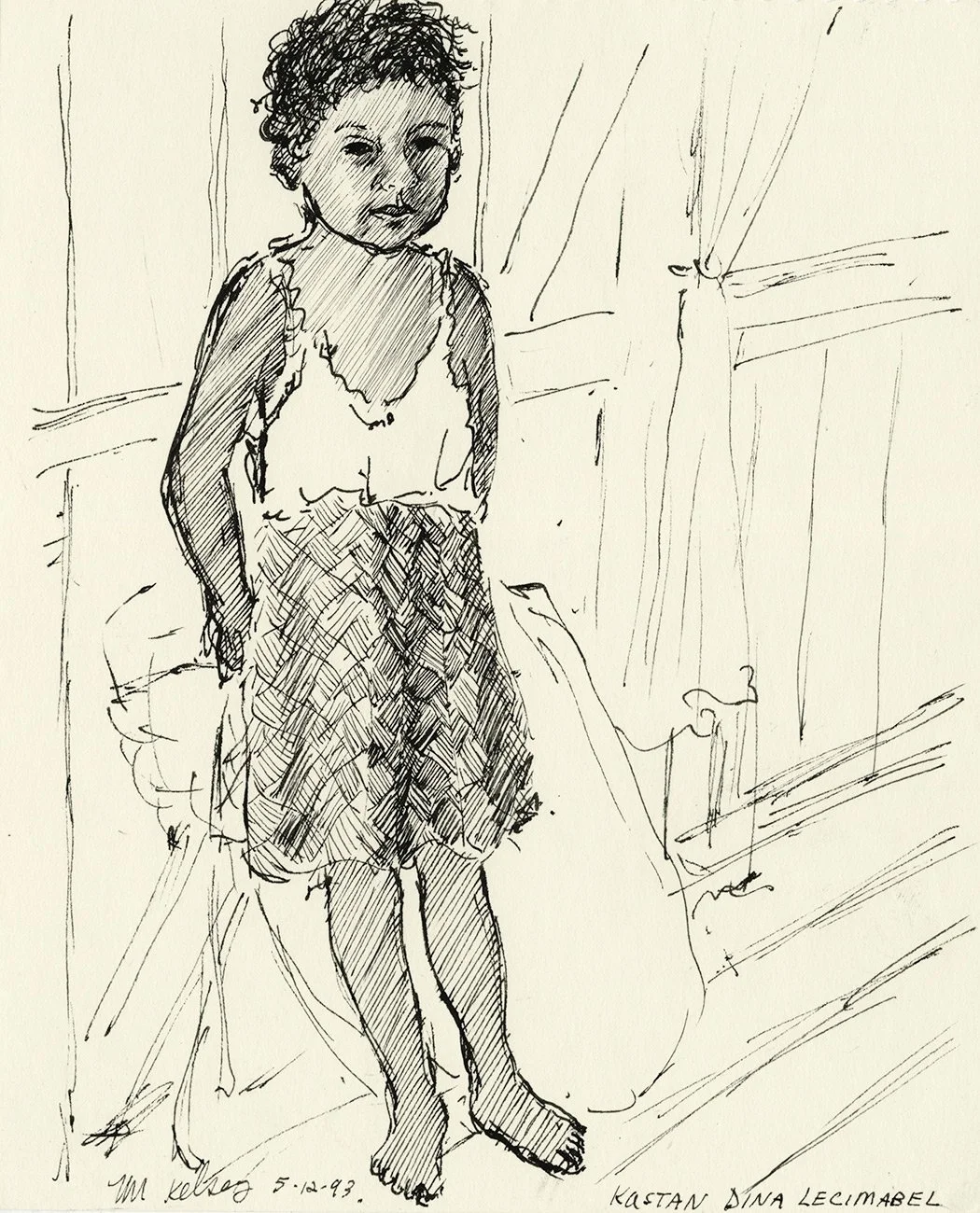
Women in Belén have a variety of small income-producing endeavors, like this home pastry chef.
Extensionists work with men and also with women, who manage small enterprises as well as truck gardens.
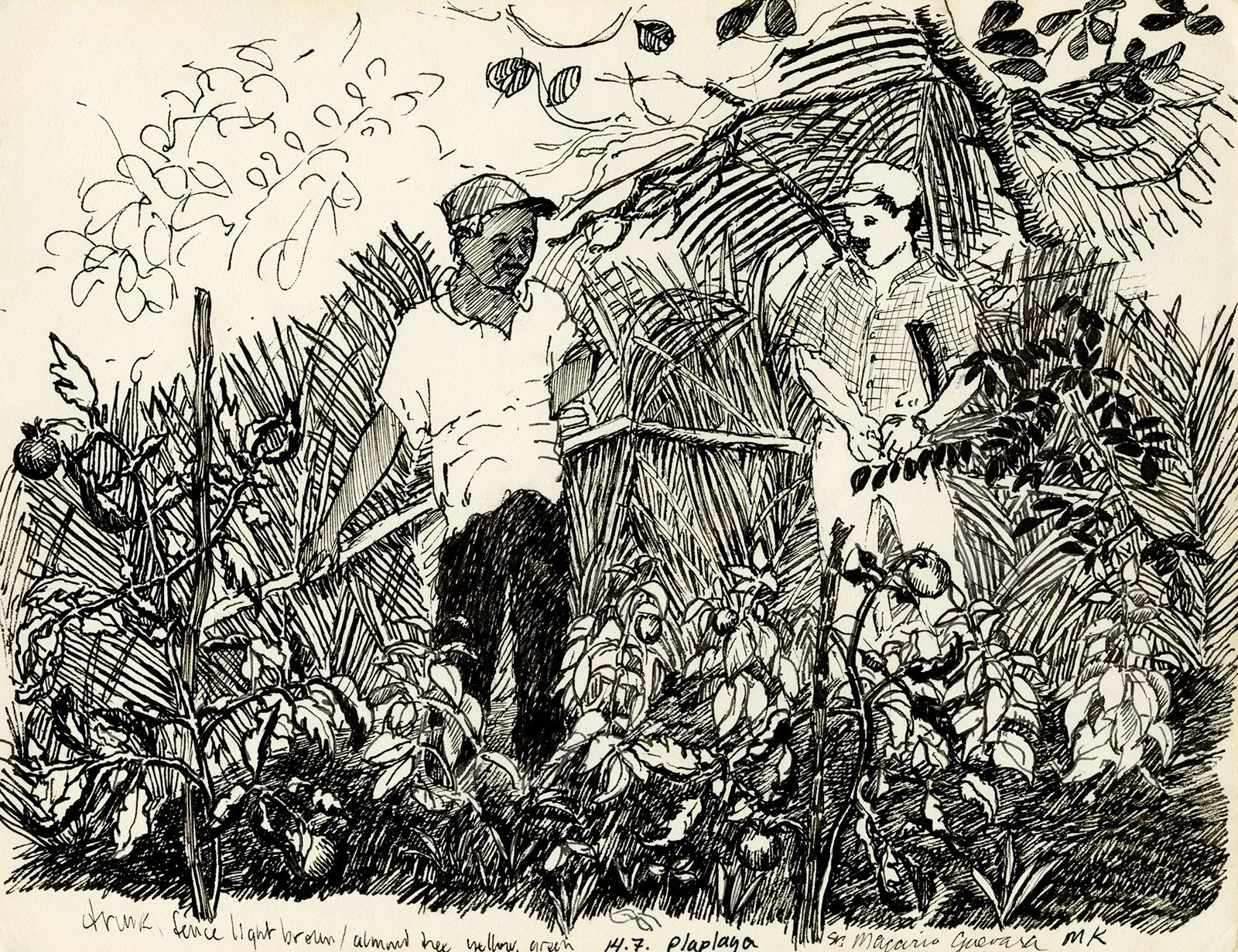
Tomatoes aren’t traditional crops in this region. But abundant sun, along with a plan for preventing too much rain from rotting the roots, allows them to thrive.
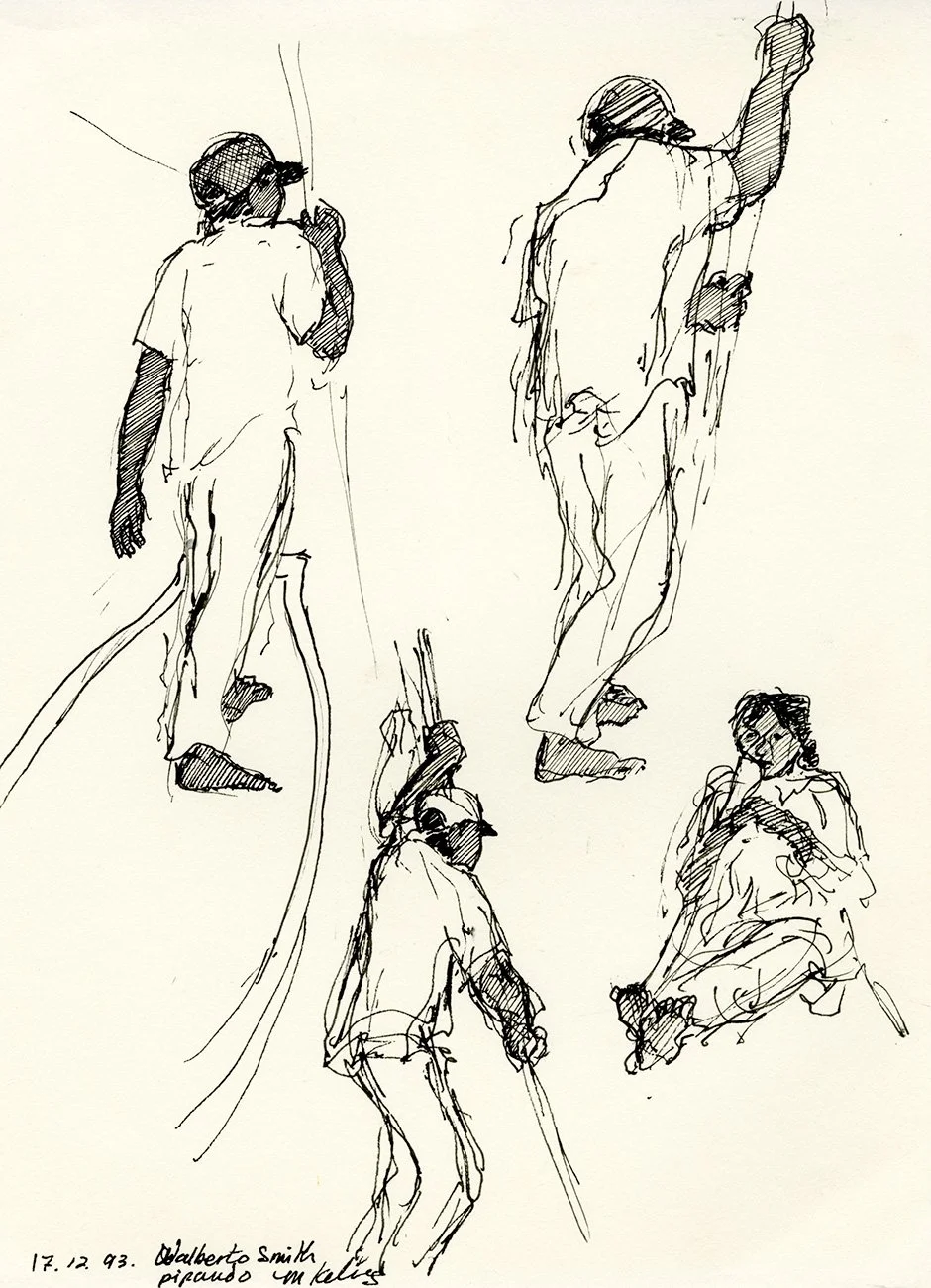
Lumbermen bring a portable saw and guides to a remote forest spot hours away by burro. There they cut trees into logs and logs into planks that can be brought down the mountain on the burro’s back.
Rio Plátano
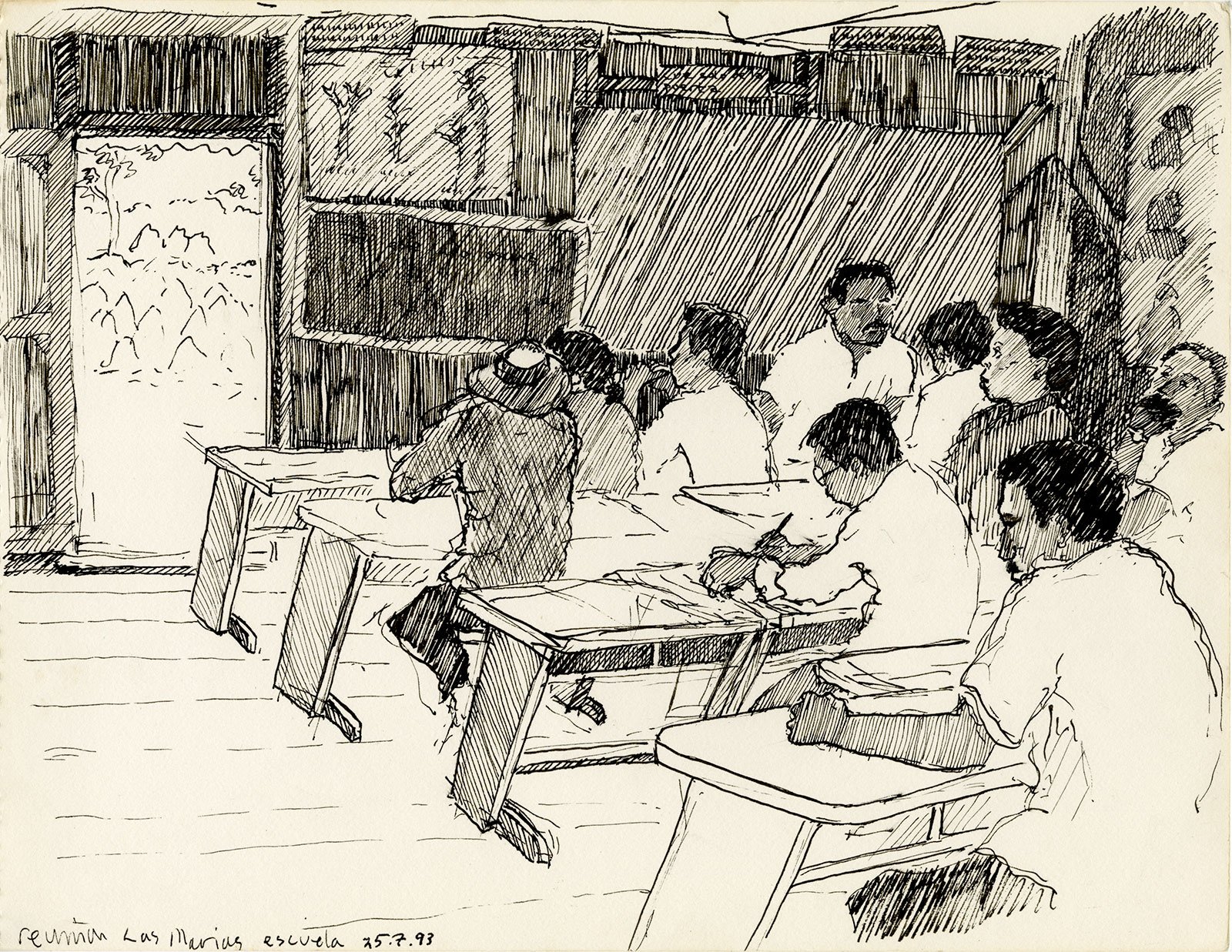
Headwaters of the Rio Plátano, for which the reserve is named, are high in the hills, accessible only to expeditions that can handle rapids and rocks. Boulders in the river were incised with drawings by pre-Columbian people. Villages along the river include Pech settlements such as Las Marias.
Two large boulders situated in the middle of river rapids are incised with motifs from before the Spanish conquest.
These Pech women spoke little Spanish, but managed to communicate that the youngest child of three appeared to be epileptic. They wanted to take her to a clinic but it was far down the river, and they weren’t sure if they would find the funds to make the trip. The little girl didn’t walk or talk, but appeared lively and intelligent.
Ahuas, Kropunta, Paptalaya
The inland town of Ahuas, on the Rio Patuca, houses a regional hospital that has a decompression chamber. Emergency patients such as divers with the bends, or victims of cholera, were usually transported by air because travel by river would take too long.
Women in Belén have a variety of small income-producing endeavors, like this home pastry chef.
Extensionists work with men and also with women, who manage small enterprises as well as truck gardens.
Tomatoes aren’t traditional crops in this region. But abundant sun, along with a plan for preventing too much rain from rotting the roots, allows them to thrive.
Lumbermen bring a portable saw and guides to a remote forest spot hours away by burro. There they cut trees into logs and logs into planks that can be brought down the mountain on the burro’s back.
Kruta, Uhsibila, Puerto Lempira
Puerto Lempira houses the headquarters of MOPAWI, along with smaller home-based enterprises.
Keeping track of expenses and income for the NGO that sponsors the communal banks, among other projects.
Doña Roven, member of the community micro-loan bank, in her canteen business that sells meals in the village.
Cooking is done on a Lorena or other stove, and requires wood. Getting the wood means journeys by boat up into the hills. The fire produces smoke that may have long-term consequences for children and adults who spend much time in the kitchen.
Batalla
A Garífuna village on the coast, hosts the community group BACALAR, which sponsored projects to develop the village economy, including various smaller home-based enterprises and a rice hulling plant. Many of the businesses are owned by women.
Yucca is the basis of a bread that is a staple of Garifuna diet. There’s considerable processing required between plants in the ground and the finished product, a delicious soft white bread.
The community group BACALAR helped finance construction of this rice hulling machine, which provides significant labor saving for a staple of the local diet.
The seamstress and assistant are seen through a window that serves as their shop door. They provide clothing to the village, earning income that supplements the family fishing and farming.
The lorena stove can be constructed of local materials: mud, chicken wire, sand, a bag each of cement and lime, earthenware griddles and some galvanized tubes for the chimney. It is designed to consume less firewood and also send toxic smoke, ash and carbon monoxide from the cook fire up a chimney and out of the house. This alleviates a major health hazard for women and children, as well as reduces the amount of firewood needed.
The Lorena stove is made from bricks, sand, mud and a wooden base. It offers more efficient heat than cooking on an open fire, thus requiring much less wood to burn. This, in turn, lessens pressure on forests where women collect firewood.
Rio Patuca
The longest river in the biosphere reaches into neighboring Olancho department. Settlements along the river include those of indigenous Tawahka and Pech people. Nearby are Ladino communities, and further down many Miskito villages including Ahuas and Paptalaya.
Part of agricultural extensionists’ program includes assisting schools with environmental and agricultural learning. Children are taught how to prepare soil for planting as well as to extend the growing season for crops such as tomatoes and other vegetables.
Cooking is done on an open wood-burning masonry stove, which requires constant supply of firewood.
Agricultural programs include teaching children how to grow vegetables they might not know of, to help diversify their diet and build athe community’s nuutritional resources.
Plaplaya
Daily life in the Garífuna village of Plaplaya includes learning, cultivating, fishing, and all the other activities that make up village culture.
Mrs. Melendio in her kitchen with animals. She was proud of her pig. She told us it would down to the shore and bathe by itself.
Garífuna leader. Garífuna leaders in Honduras have been active to change the culture of intrusive foreign extractive technology. Many leaders have gone to prison or have disappeared after speaking out.
Yabal Raya
First primer for Miskito children in their native language.