Colombia: El Chocó province
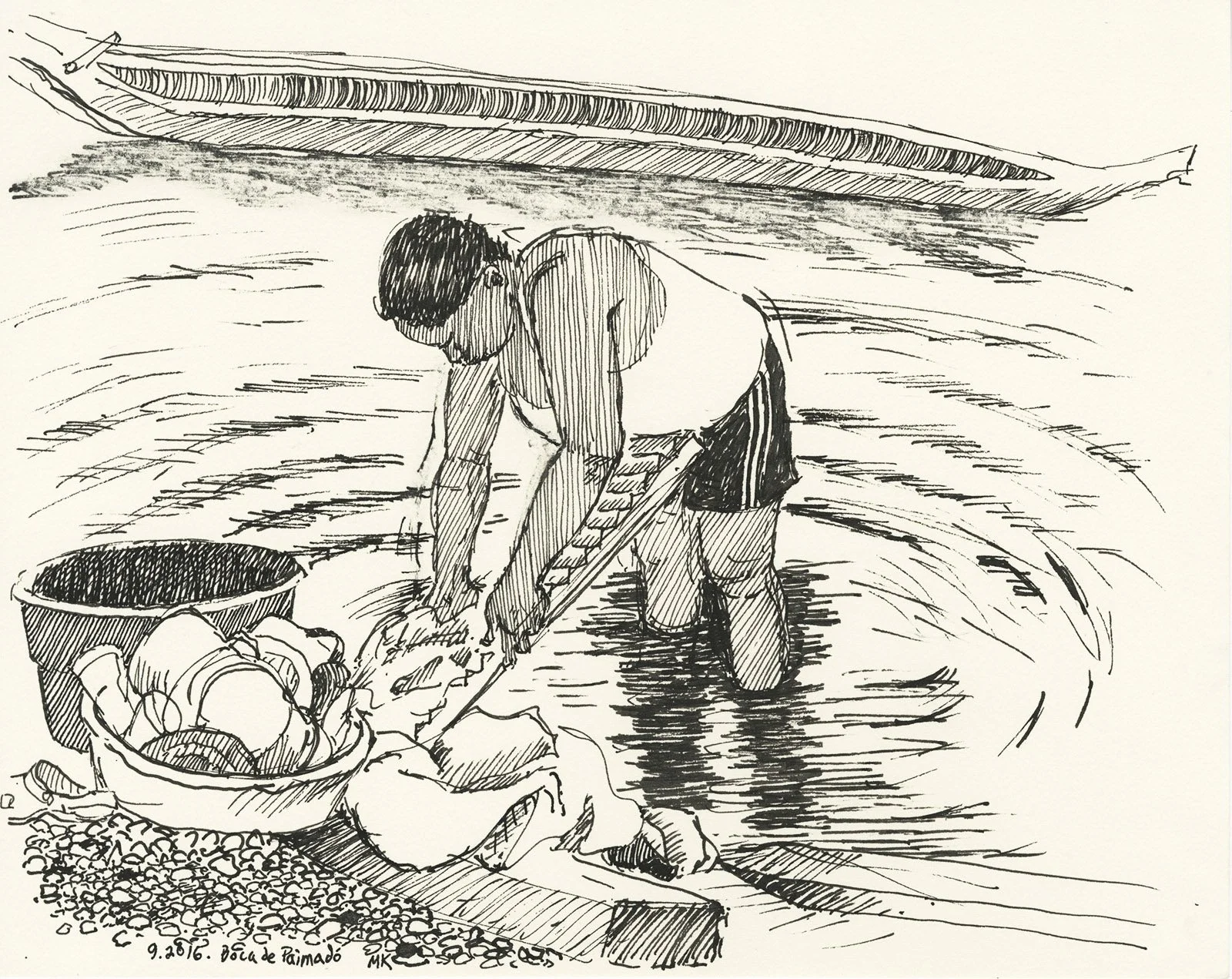
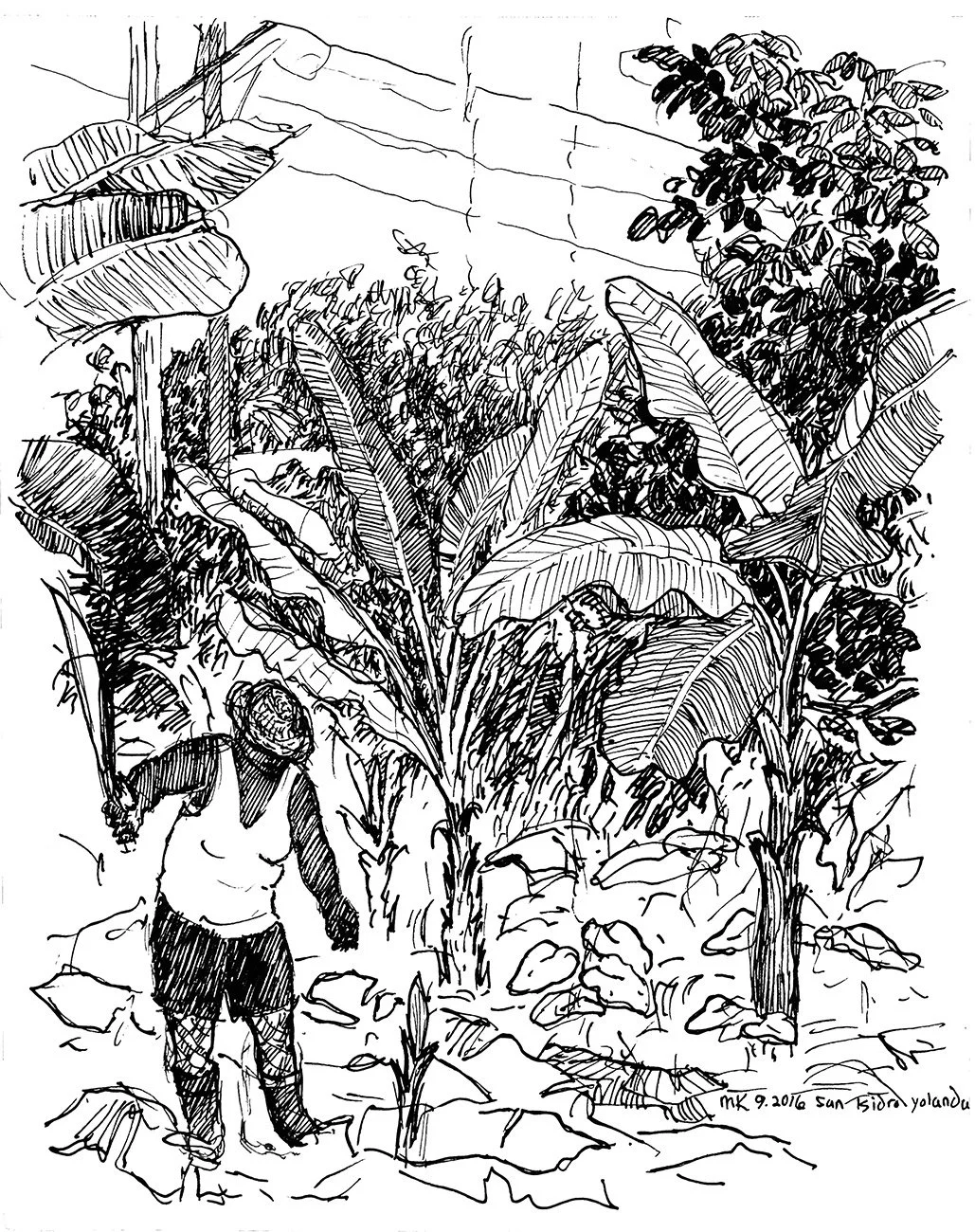
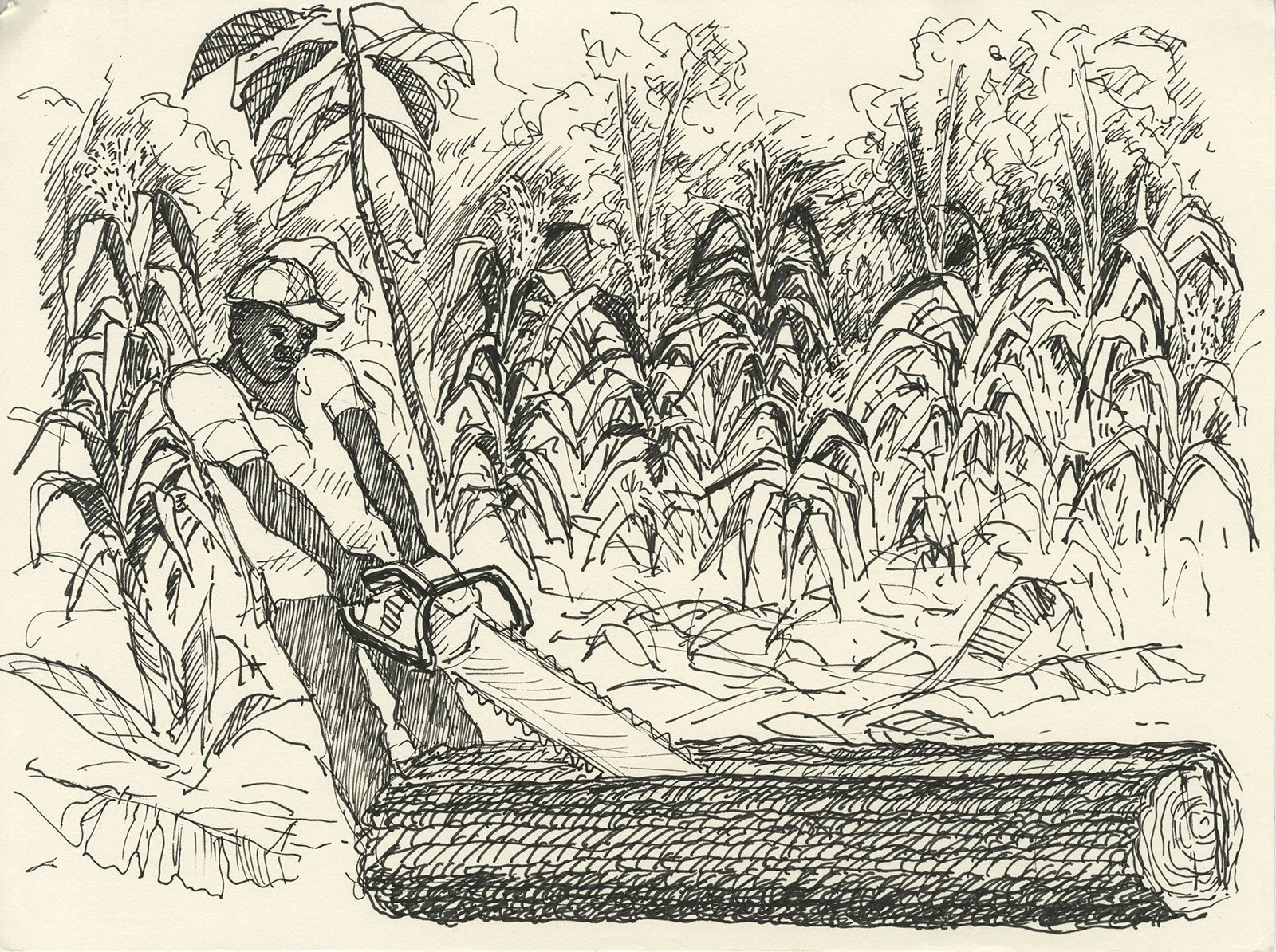
El Chocó, a province in Colombia’s Pacific northwest, has bountiful rain and rich rainforests. Native indigenous and Afro-Colombian cultures have practiced traditional alluvial gold mining for centuries. But mechanized mining threatens these traditional livelihoods, as well as community cohesion, health and wellbeing. Steve Cagan has documented this for over a decade, and Mary Kelsey accompanied him for several trips.
Contents:
Bebaramá
Doña Josefa
Las Toldas
Quibdó
Rio Juan
Rio Quito
Napipi
San Isidro
Bebaramá
Bebaramá is a village on the Bebaramá river, a tributary of the Atrato.


Doña Josefa
Doña Josefa is a hamlet near Quibdó.


Las Toldas
Las Toldas, an indigenous Embera village, lies far up the Atrato river. It is reached by suspension footbridge from the highway over the river. Leaders of the village asked me to make a drawing of a wider bridge they hoped to get, for moving cattle and other goods.


Quibdó
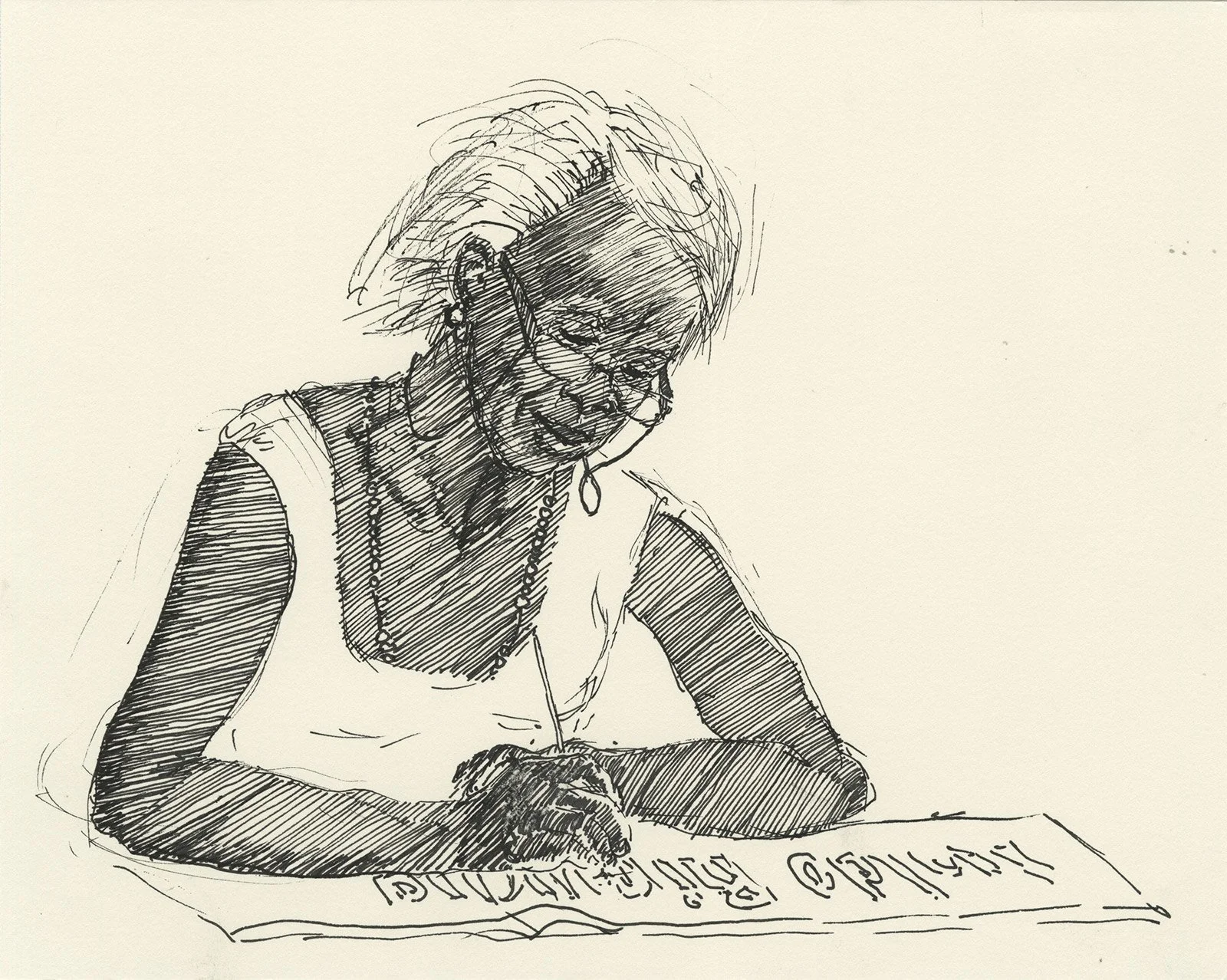
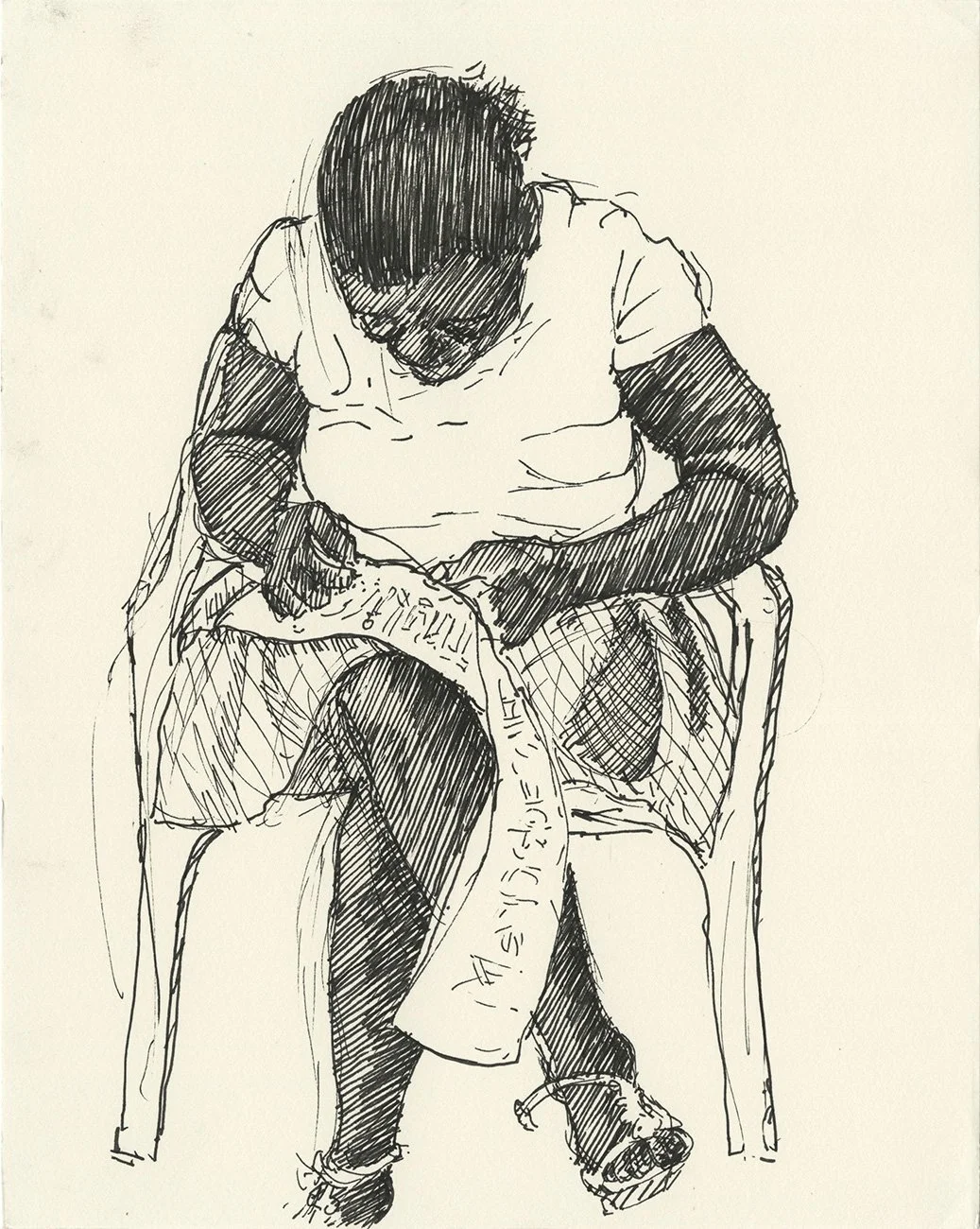
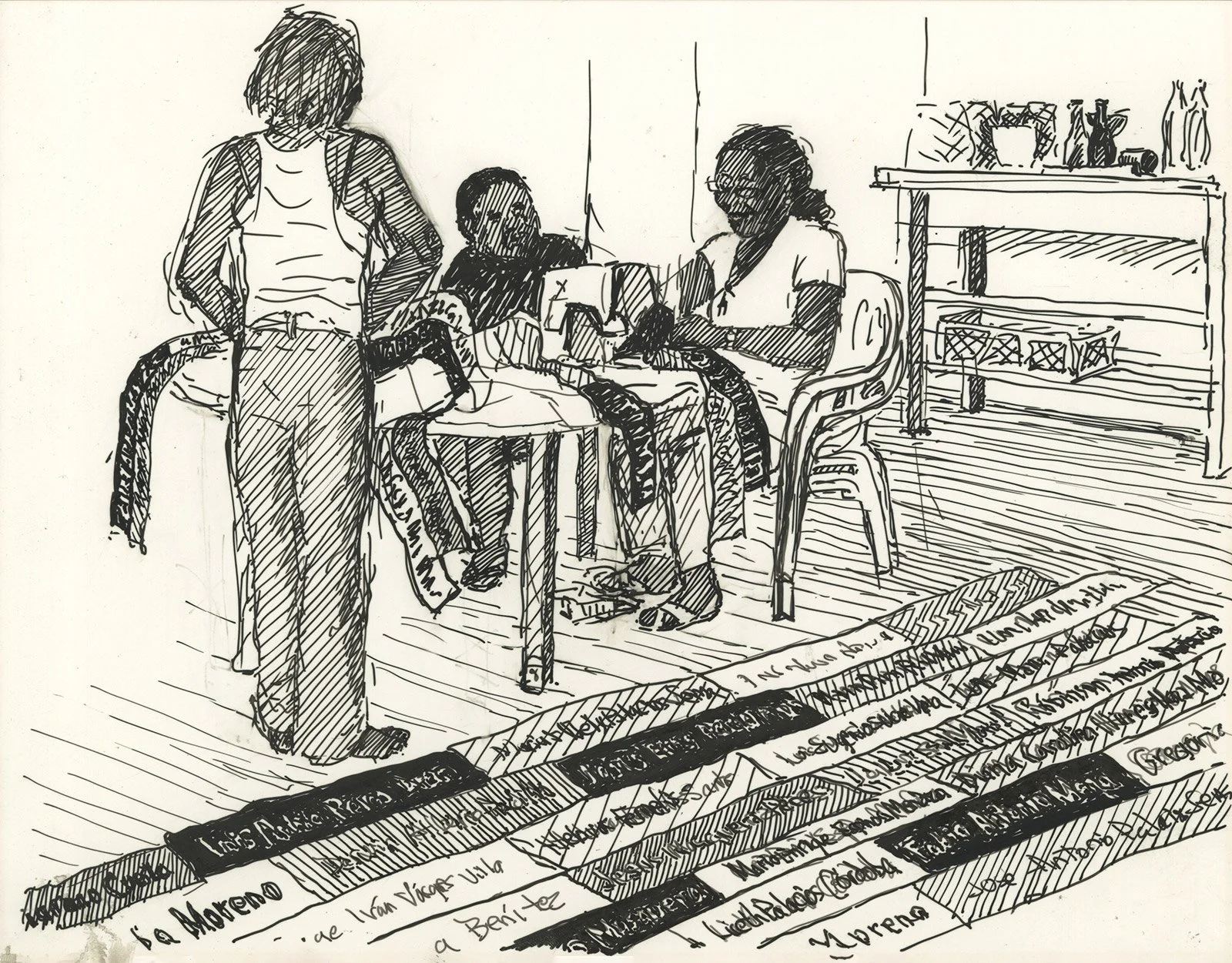
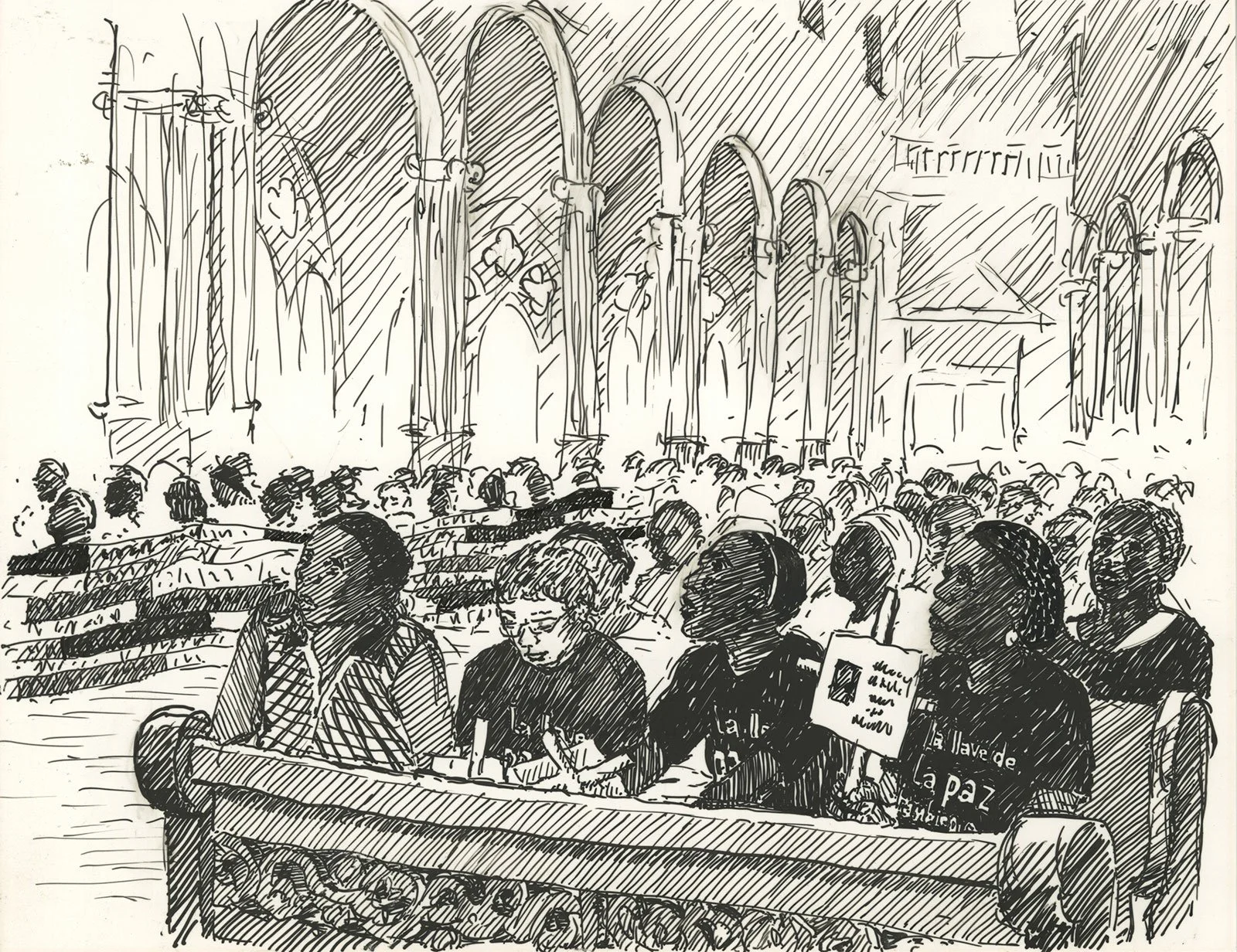
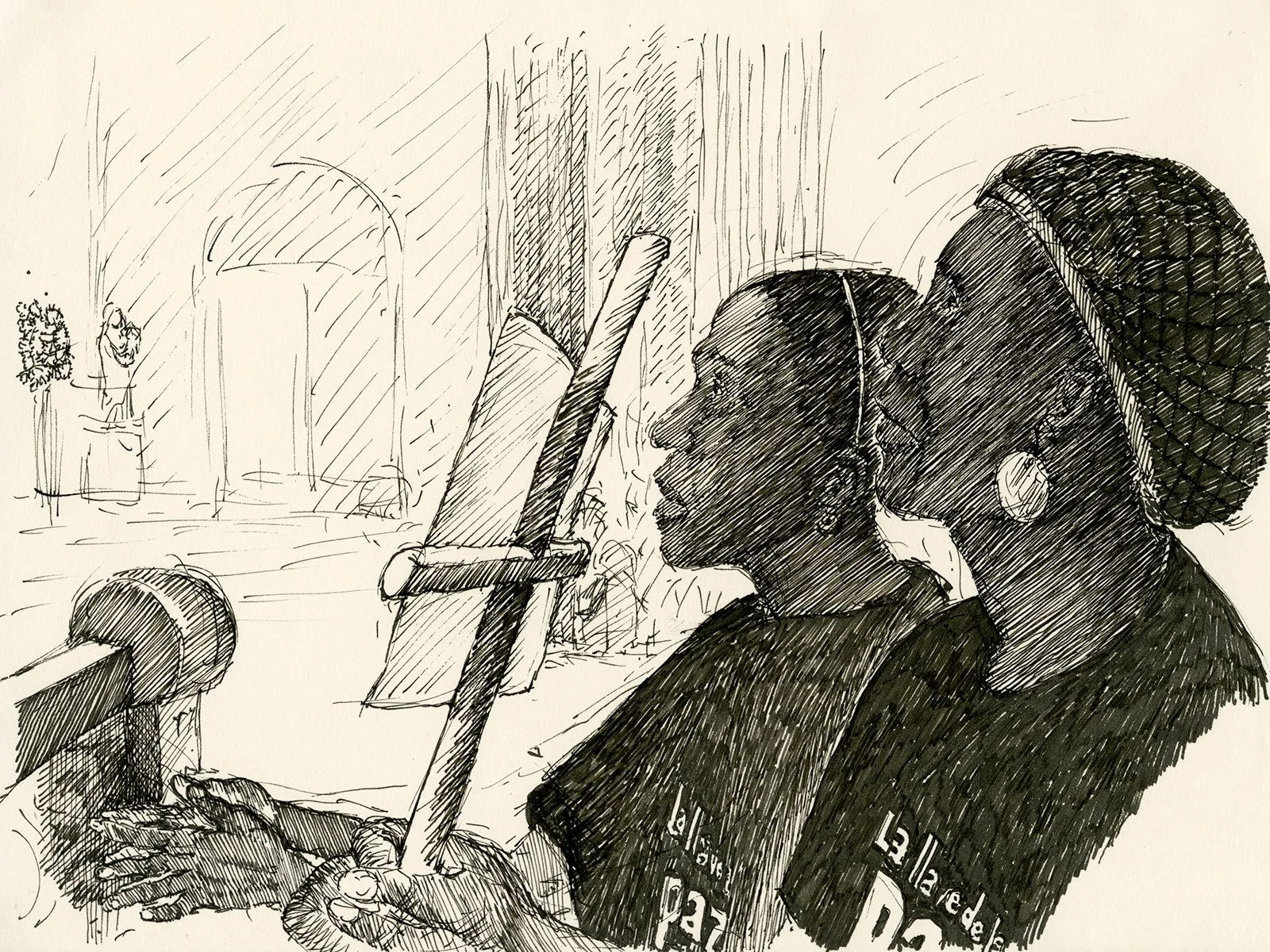
Quibdó is the capital of the department of El Chocó, with an urban population of more than 129,000. Every year there is a commemoration in the cathedral with banners sewed by women who have lost family to state and extra-state violence.
Rio Juan
Rio Juan is a small village on the Atrato river.


Rio Quito


Napipi
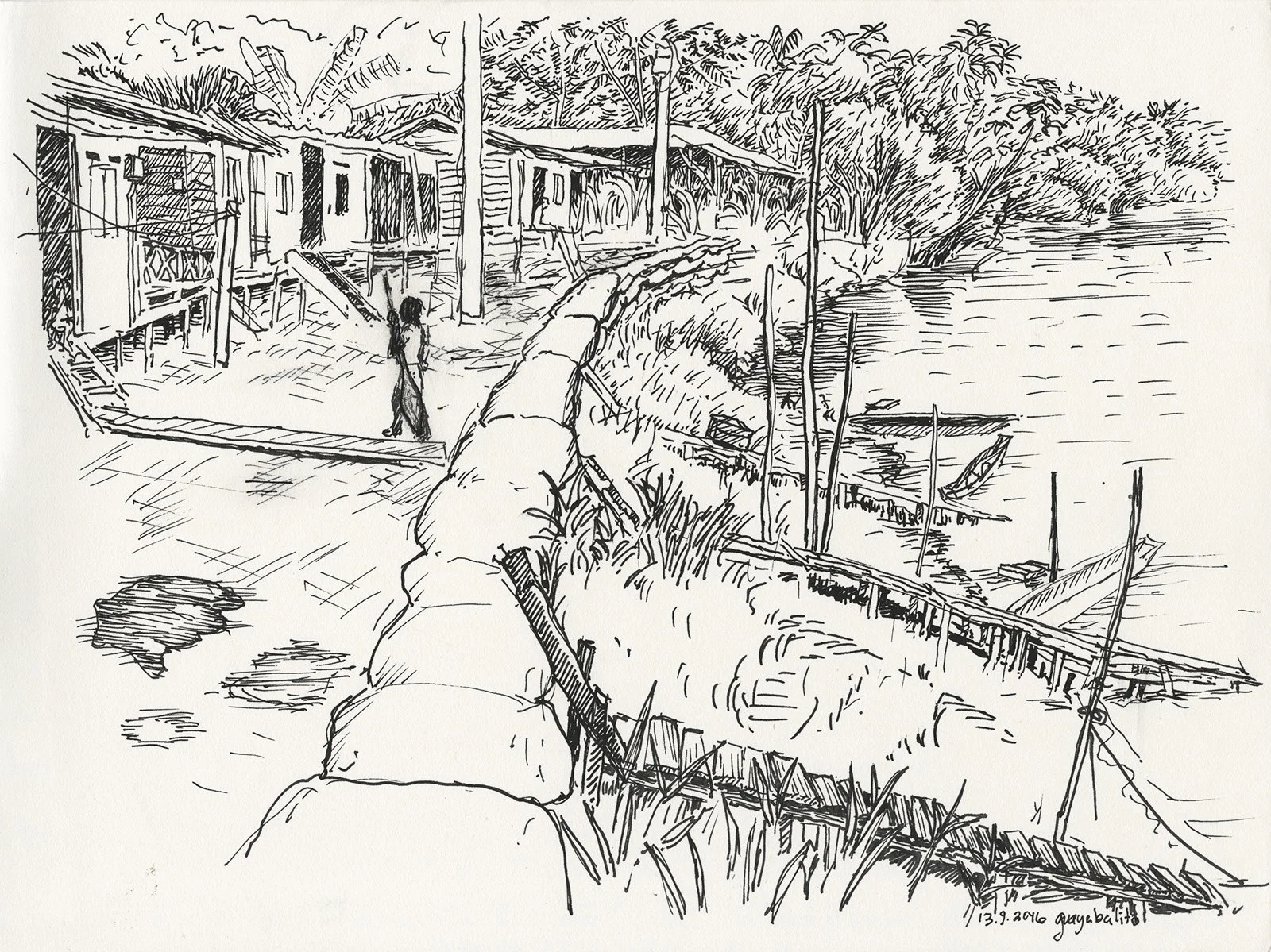
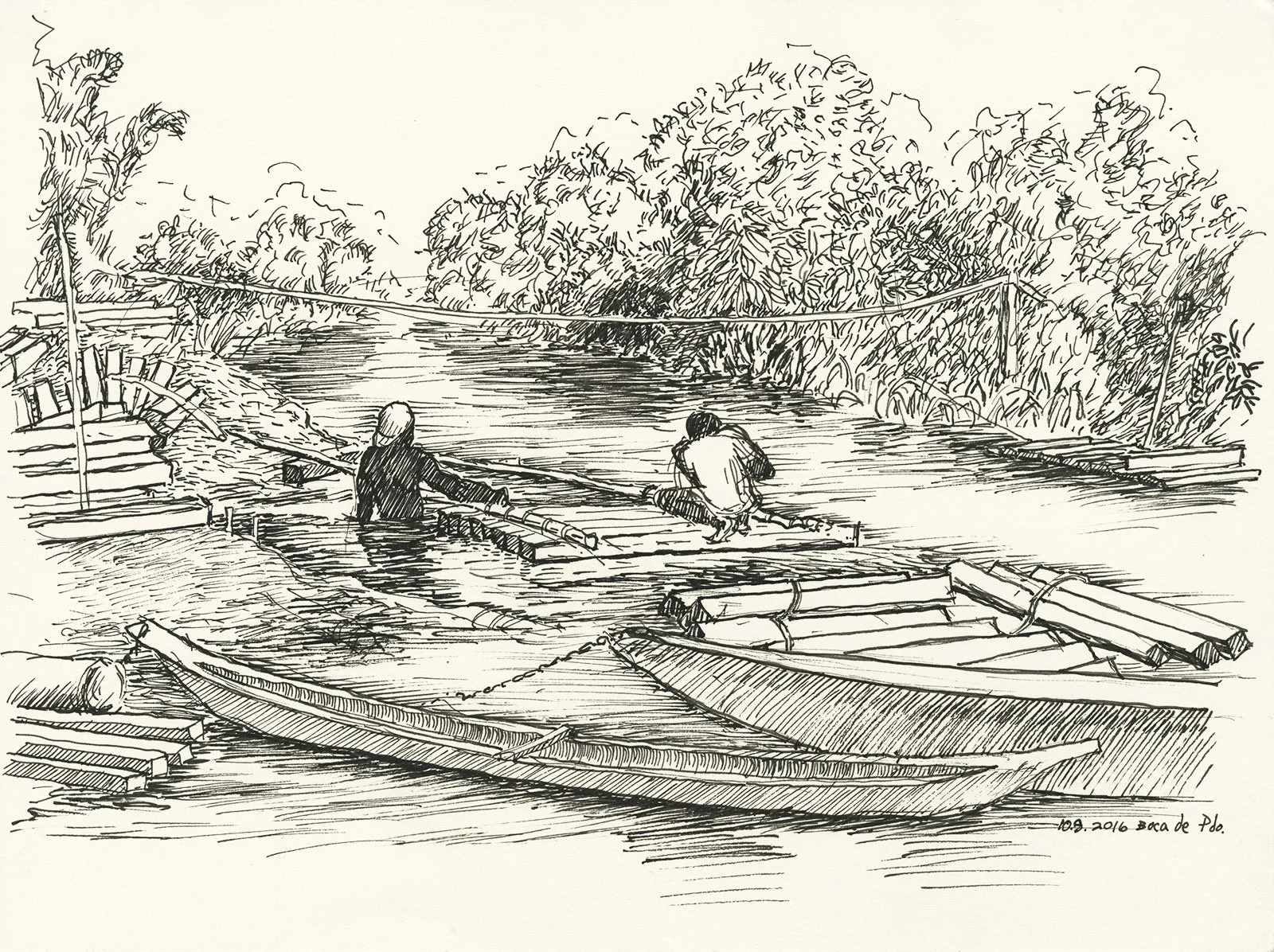
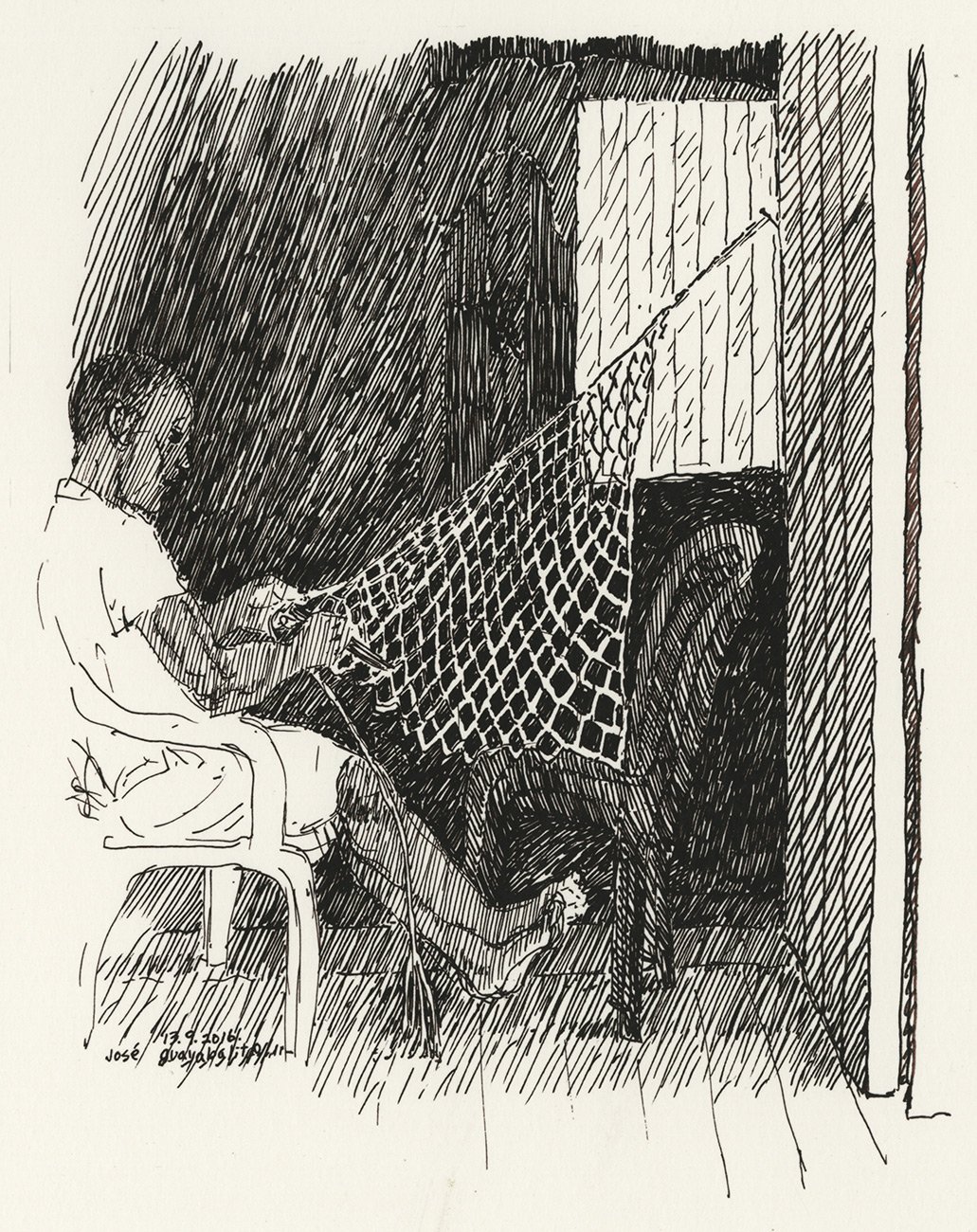
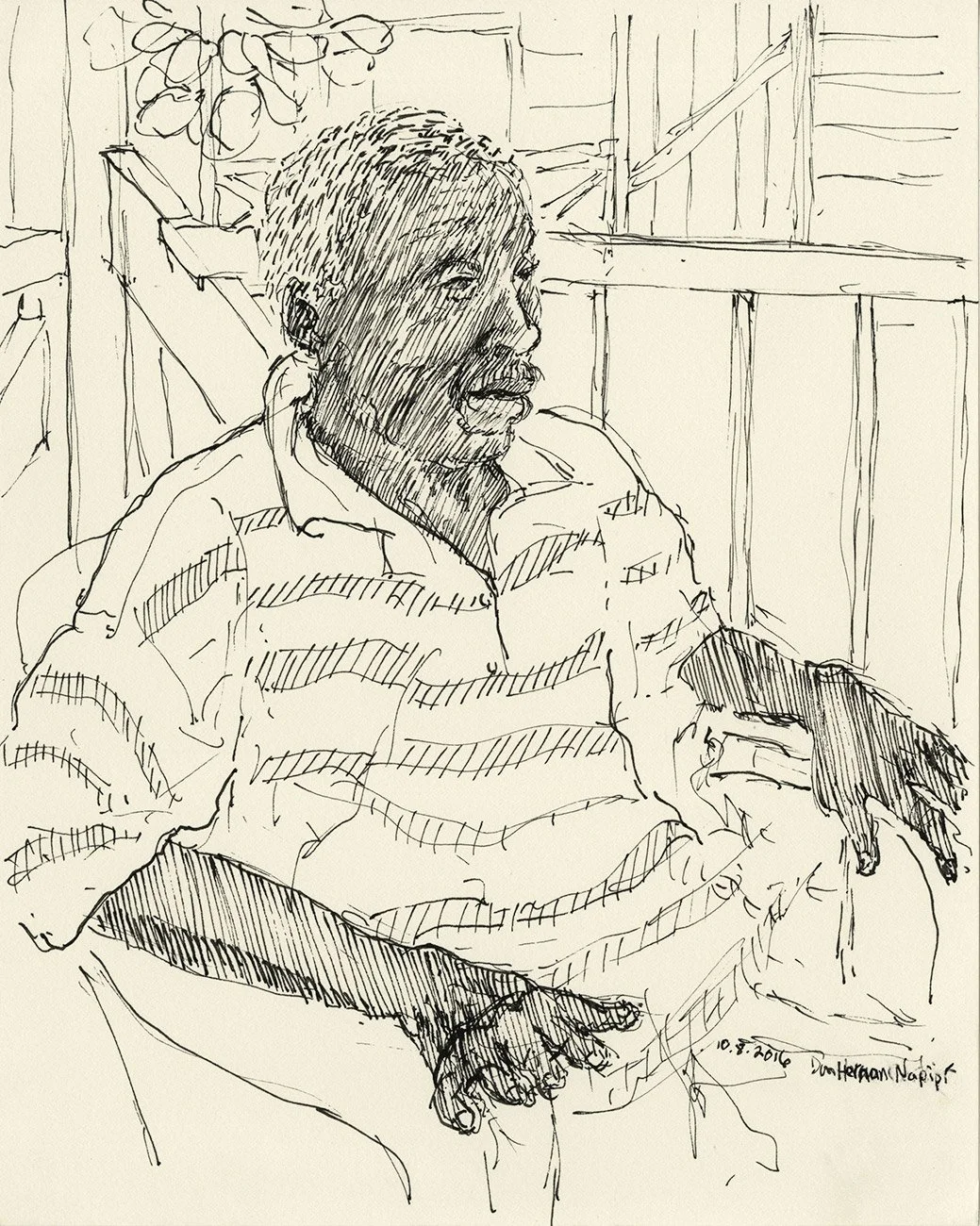
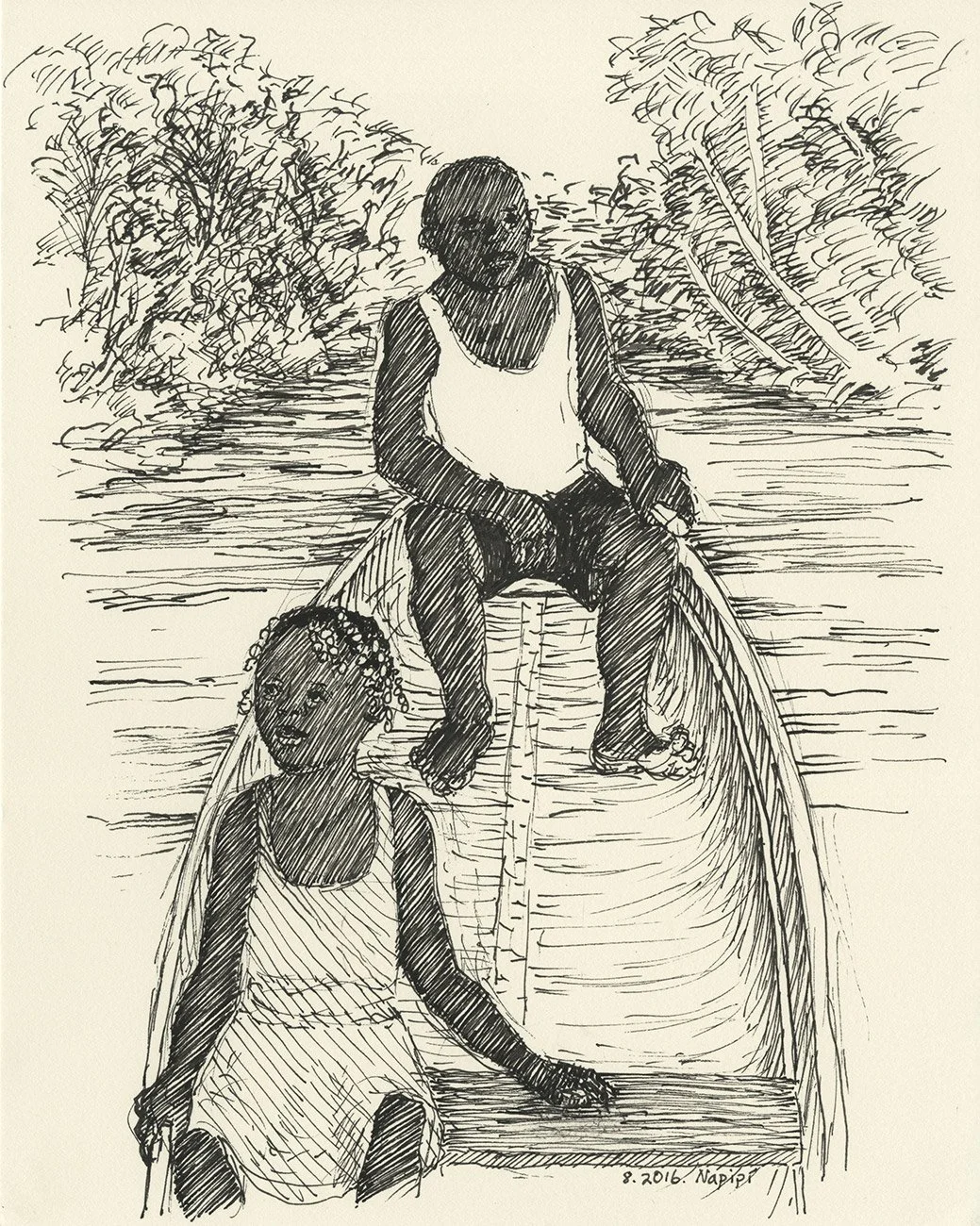
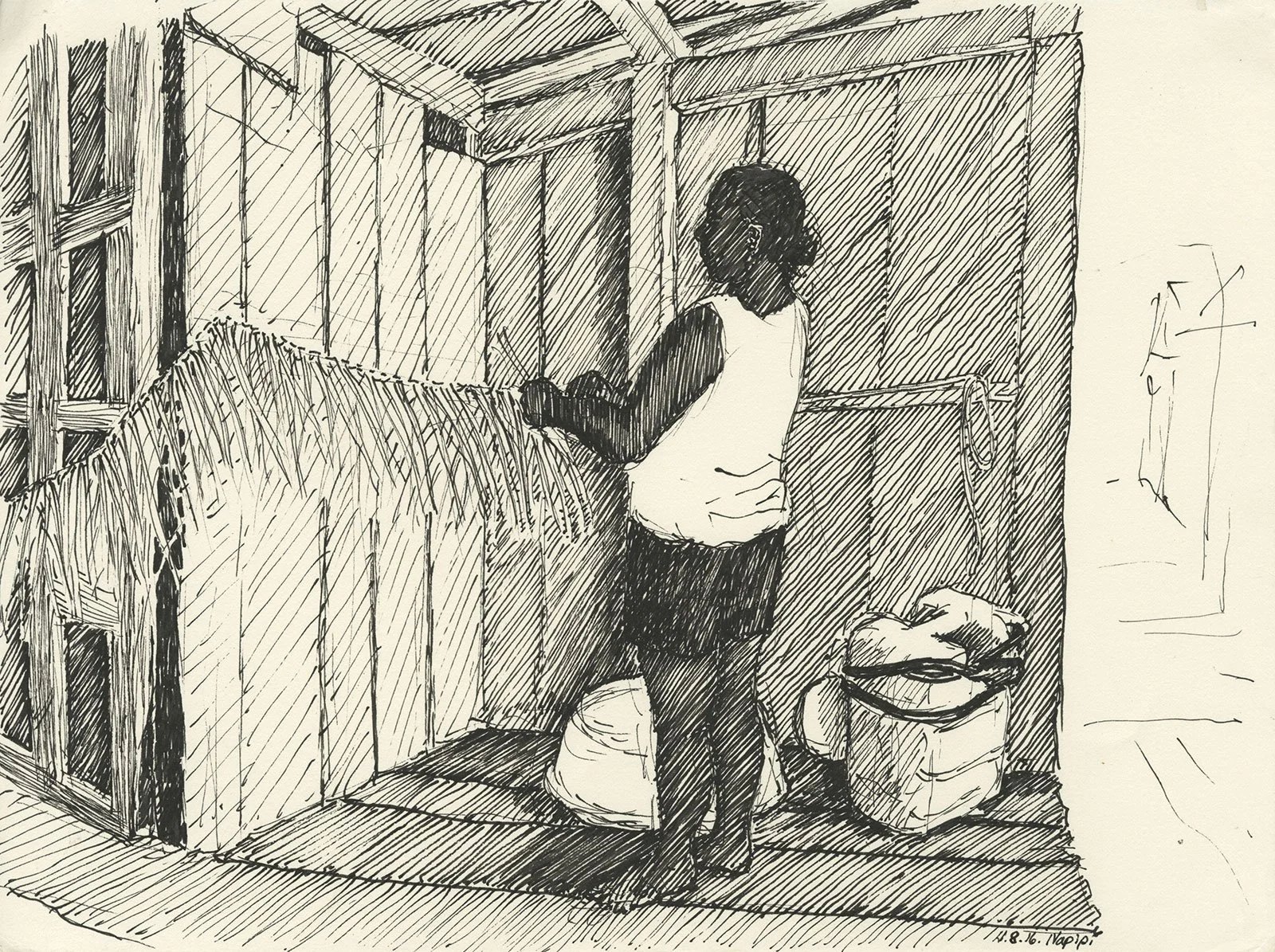
The town of Napipí sits on the Atrato well north of Quibdó.
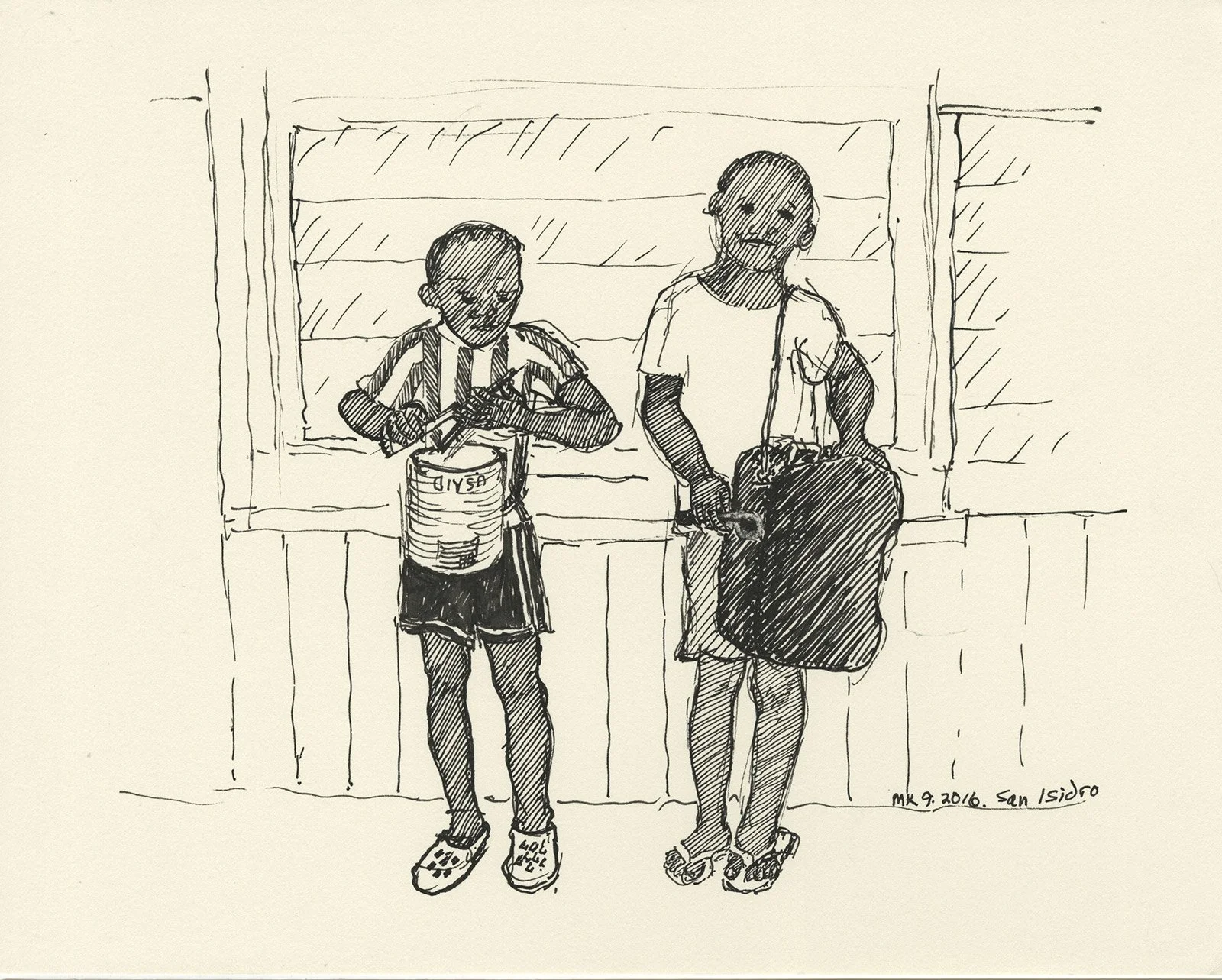
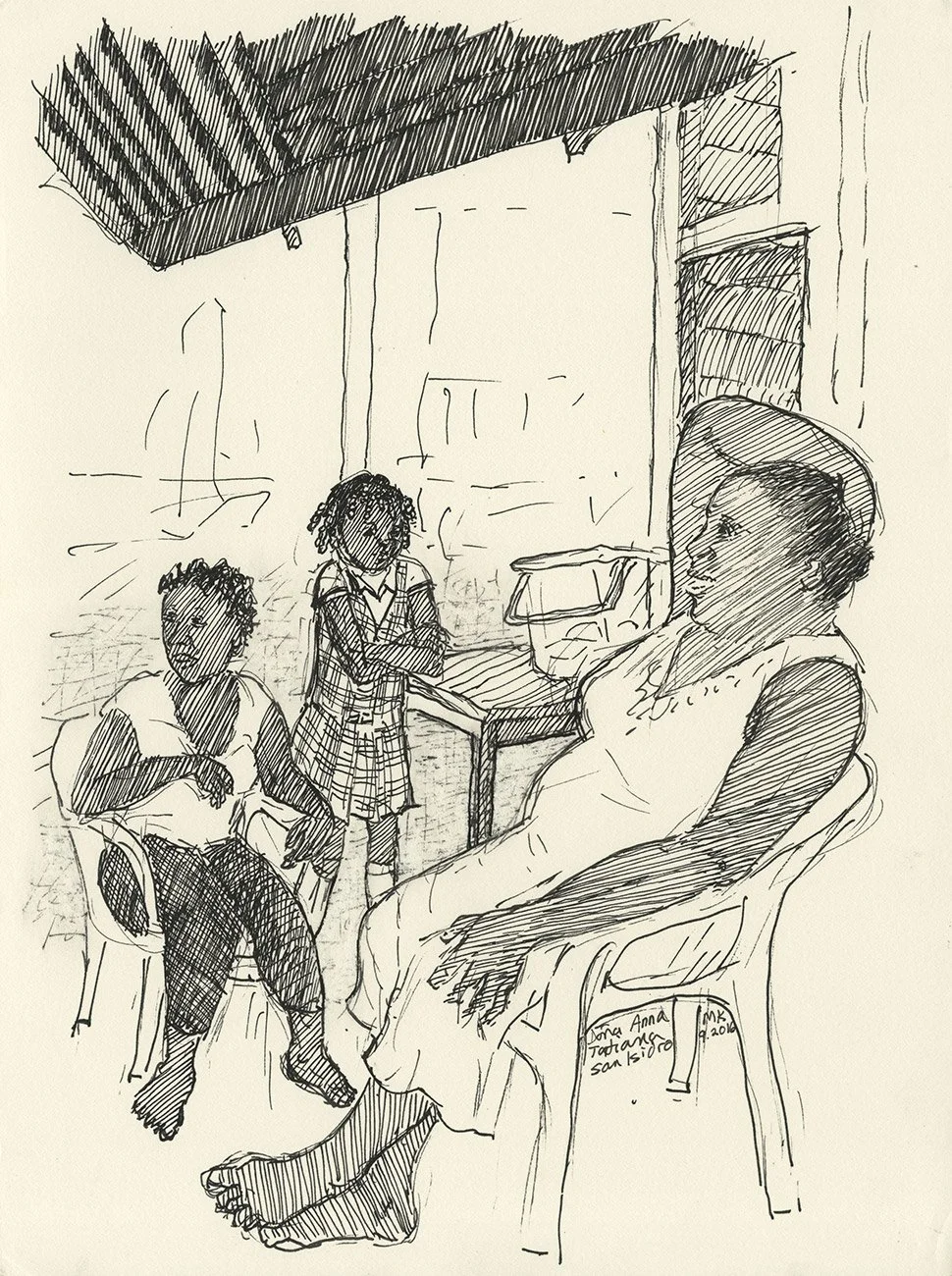
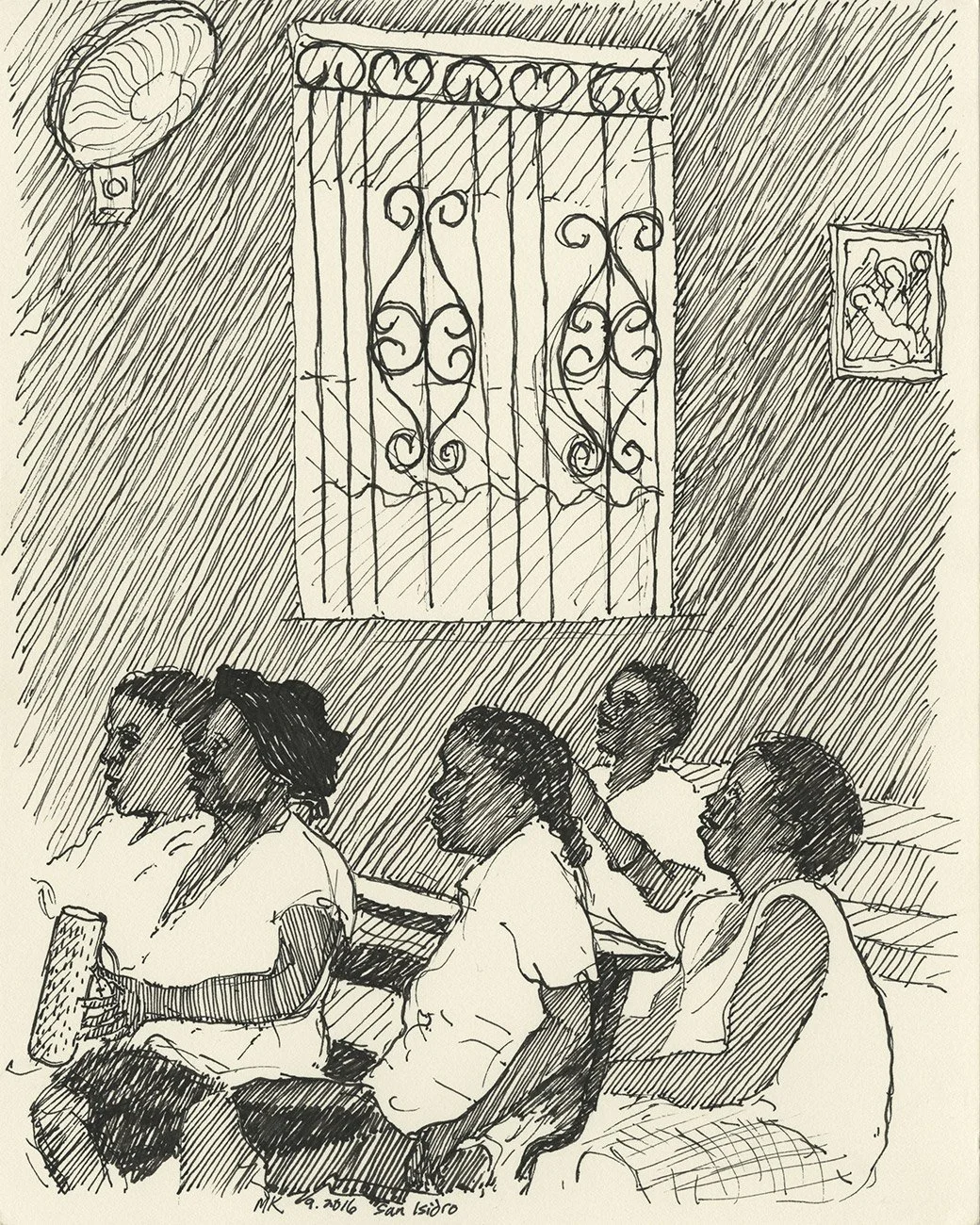
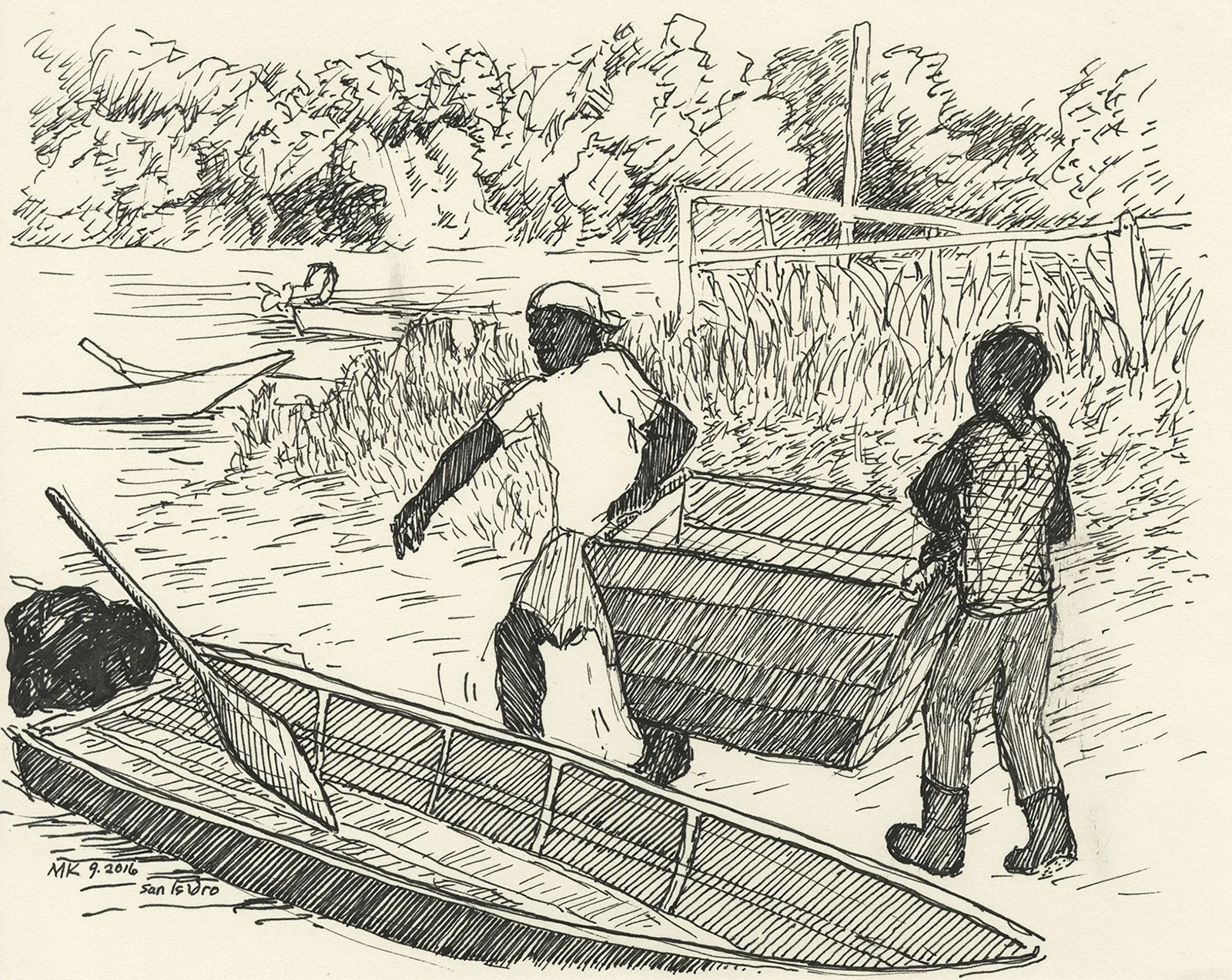
San Isidro