Guatemala Trial Page
Guatemala: PetÉn
Included below are the projects, Bethel, Yaltutú, and Tikal Forest, and were supported by CARE Guatemala, under the leadership of Edgar Palma in 1993, operated in a number of areas in Guatemala’s Petén, the large mostly lowland province in the north of the country. Several projects addressed sustainable environmental development: tourism, animal husbandry and agriculture, health, and environmental education.
Since 1993, deforestation has increased, due to illegal ranching, oil palm plantations, and timber and oil extraction. Petén is a major route for drug trafficking through Mexico to the USA. Along with organized crime this has precipitated more violence. A number of NGO efforts are working to protect Petén’s forests and to support the people who have lived there for generations. Most of these projects are still dependent on foreign financial aid.
Bethel
Situated where Guatemala meets Mexico at the Rio Usumacinta, Bethel is a busy entry point for migrants, trade with Mexico, and in recent years drug trafficking.
Ancient Mayan cenote or sinkhole in the limestone bedrock. Village leaders hoped it could become a tourist attraction.
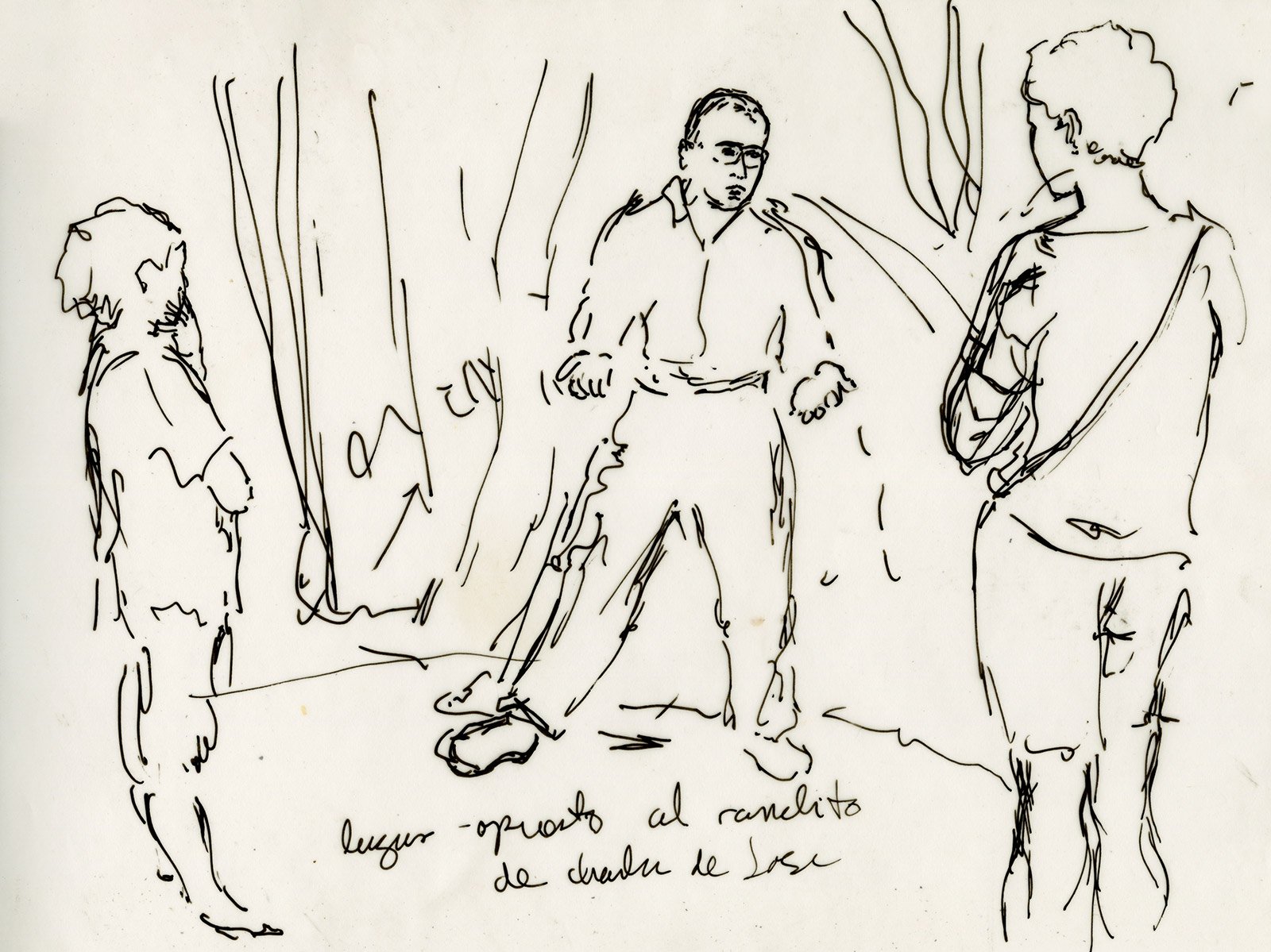
Consulting in the forest about where and how to situate the tourist facility.
Cattle constitute a farmer’s wealth, here where there are no banks (and no chance of finding a loan if there were). This farmer and his son are getting ready to inseminate a cow.
Trade with Mexico includes rice produced in Guatemala. Workers are carrying bags of it to ferry across the river.
A boat starts out to cross the Rio Usumacinta, taking tourists and others to Mexico.
Government checkpoint near the river landing, manned by soldiers. Widespread violence plagues El Petén, driven by pervasive drug trafficking.
Women and girls carry water from a well to their homes. A girl of 11 would lift a 5-gallon water container, (usually plastic), and carry it on her head.
Washing clothes in a cement basin offers convenience and shade, and is easier on the laundress than washing in a river.
An ancient technique of of planting beans and corn together: the beans climb up the corn stalks, and enhance nitrogen in the soil to help sustain the corn.
Yaltutú
A remote hamlet near the eastern border of Petén with Belize.
Visiting nurses train villagers in first aid. From this remote settlement it’s an hour’s drive on rugged roads to get to a hospital. Training for basic first aid as well as childbirth was an important support for villagers’ health.
At the first aid demonstration for the villagers.
Some of the topics the nurses covered in this two-day training were childbirth, rehydrating babies (here where infant diarrhea can be life-threatening), administering injections, and dealing with injuries.
Tikal Forest
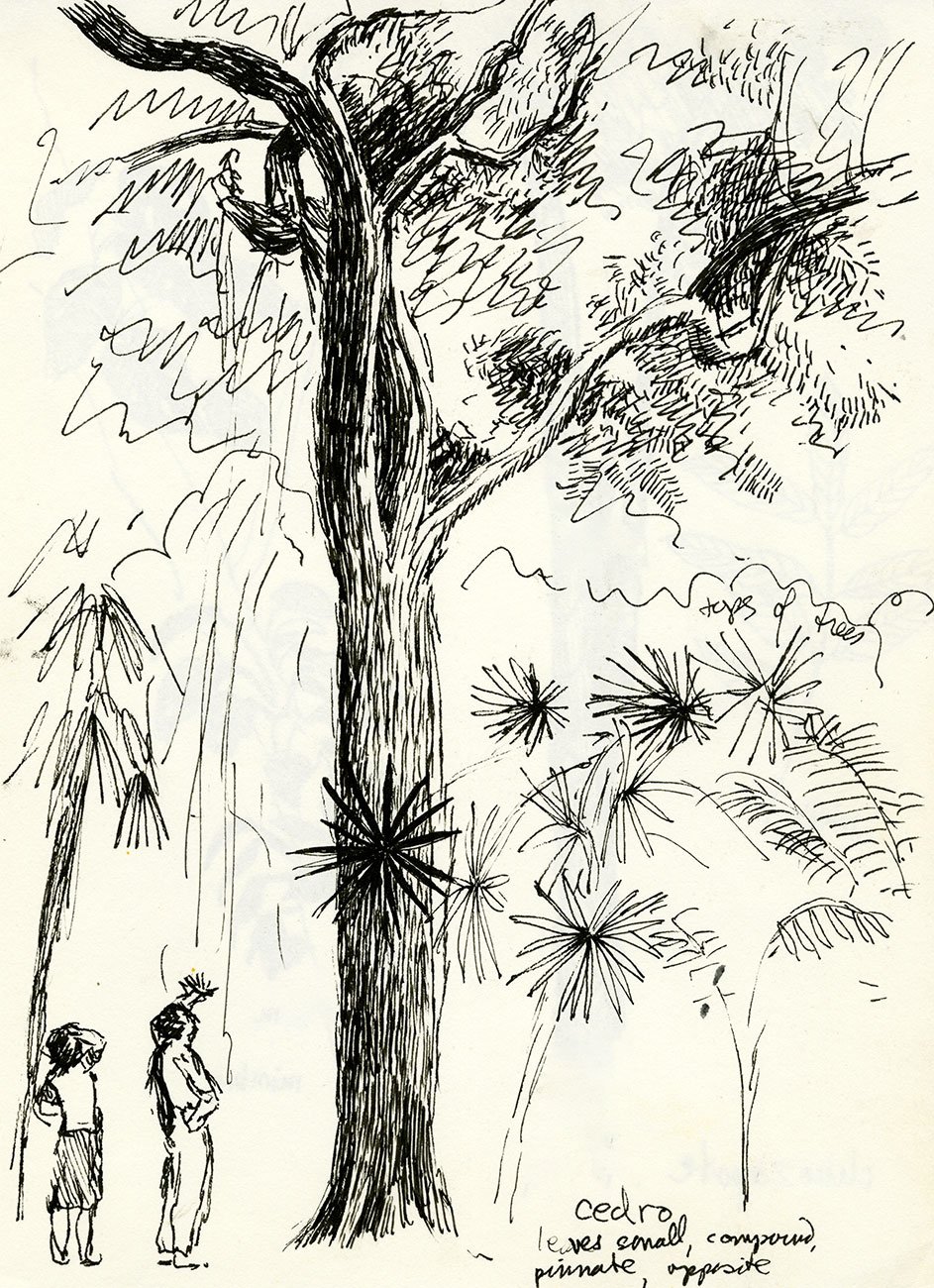
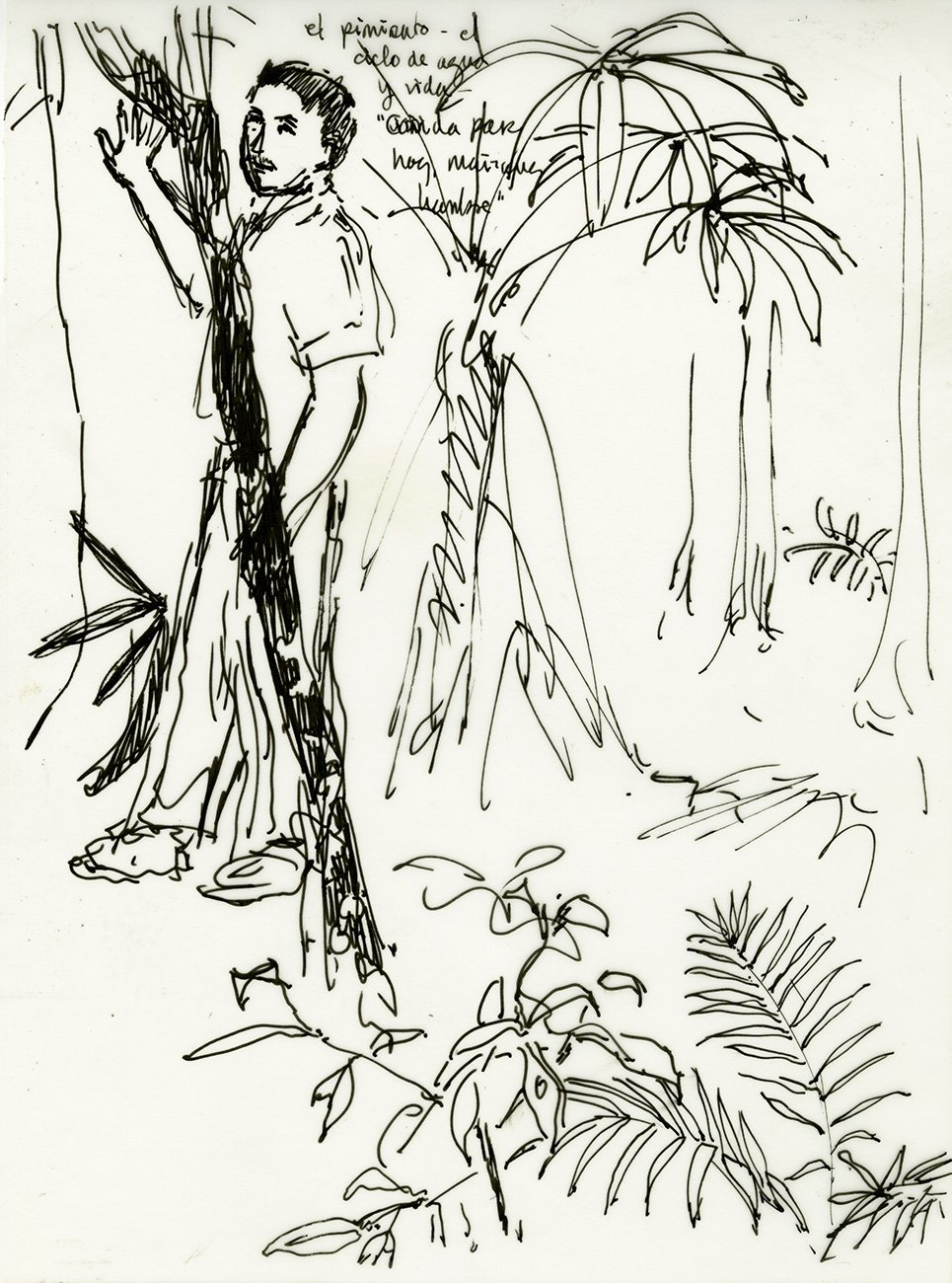
In the forests of Tikal a curriculum for teachers takes shape around forest plants, their uses, and role in the ecosystem. Teachers bring what they learn back to their classrooms, to help educate children of Petên about their own natural heritage.
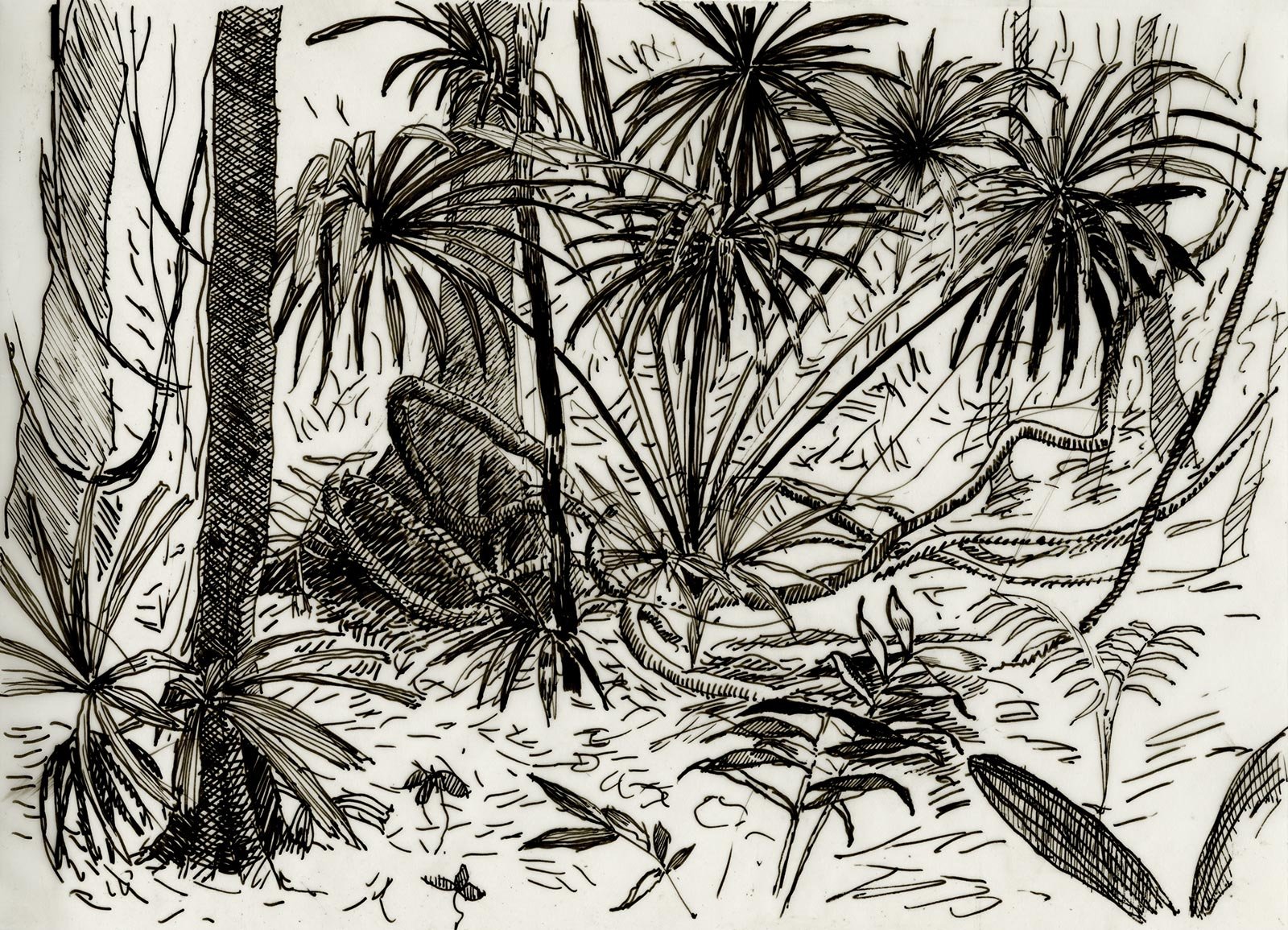
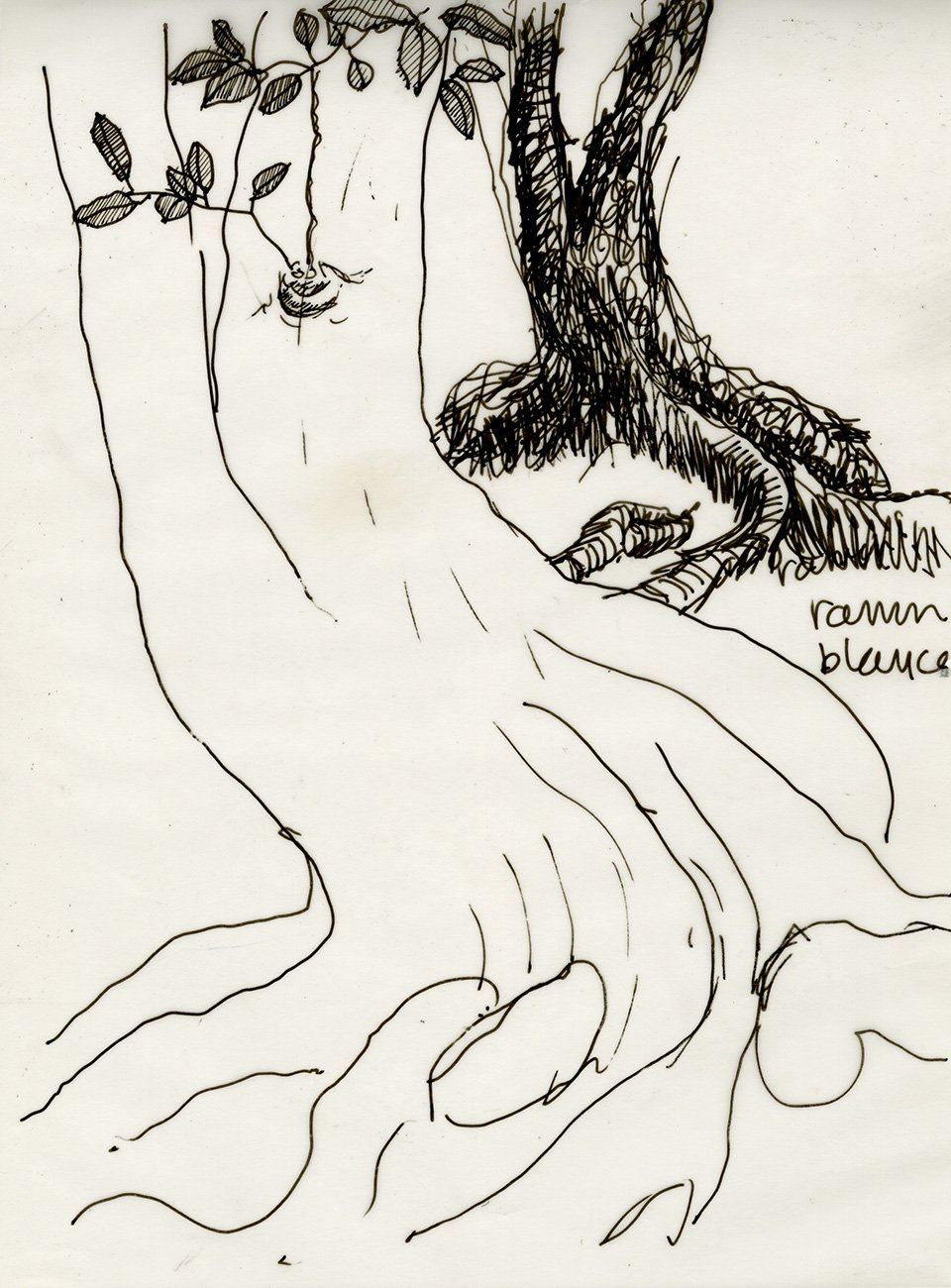
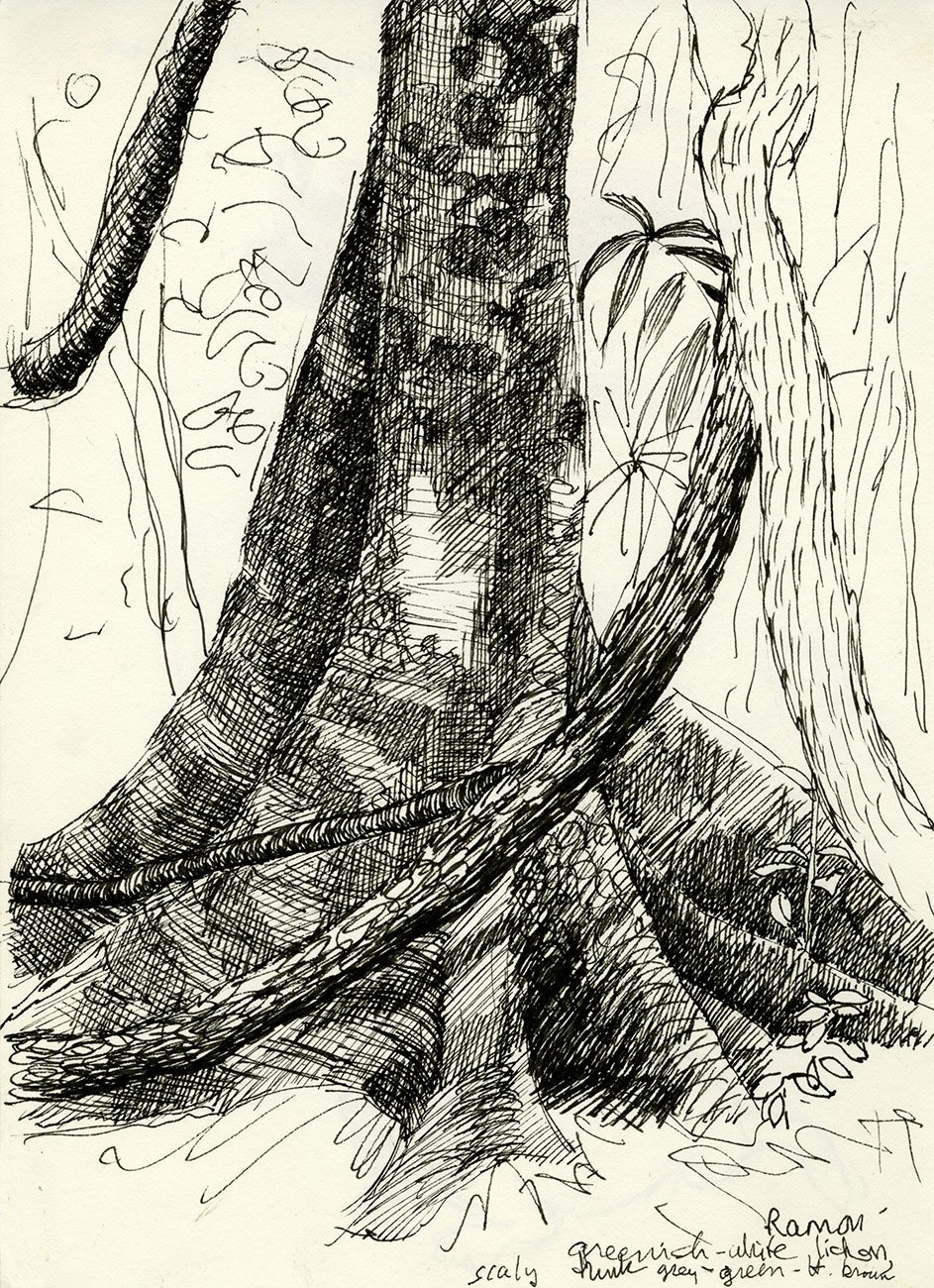
Ramón, also known as breadnut, grows throughout central America and the Caribbean. In Petén the fruits are dried and pounded into powder to make a hot drink and also bread. Both fruit and leaves are traditional fodder for livestock. With its high antioxidant and low glycemic index, the powder has an export market. It is can also be used as a carbon sink and to restore damaged soil.
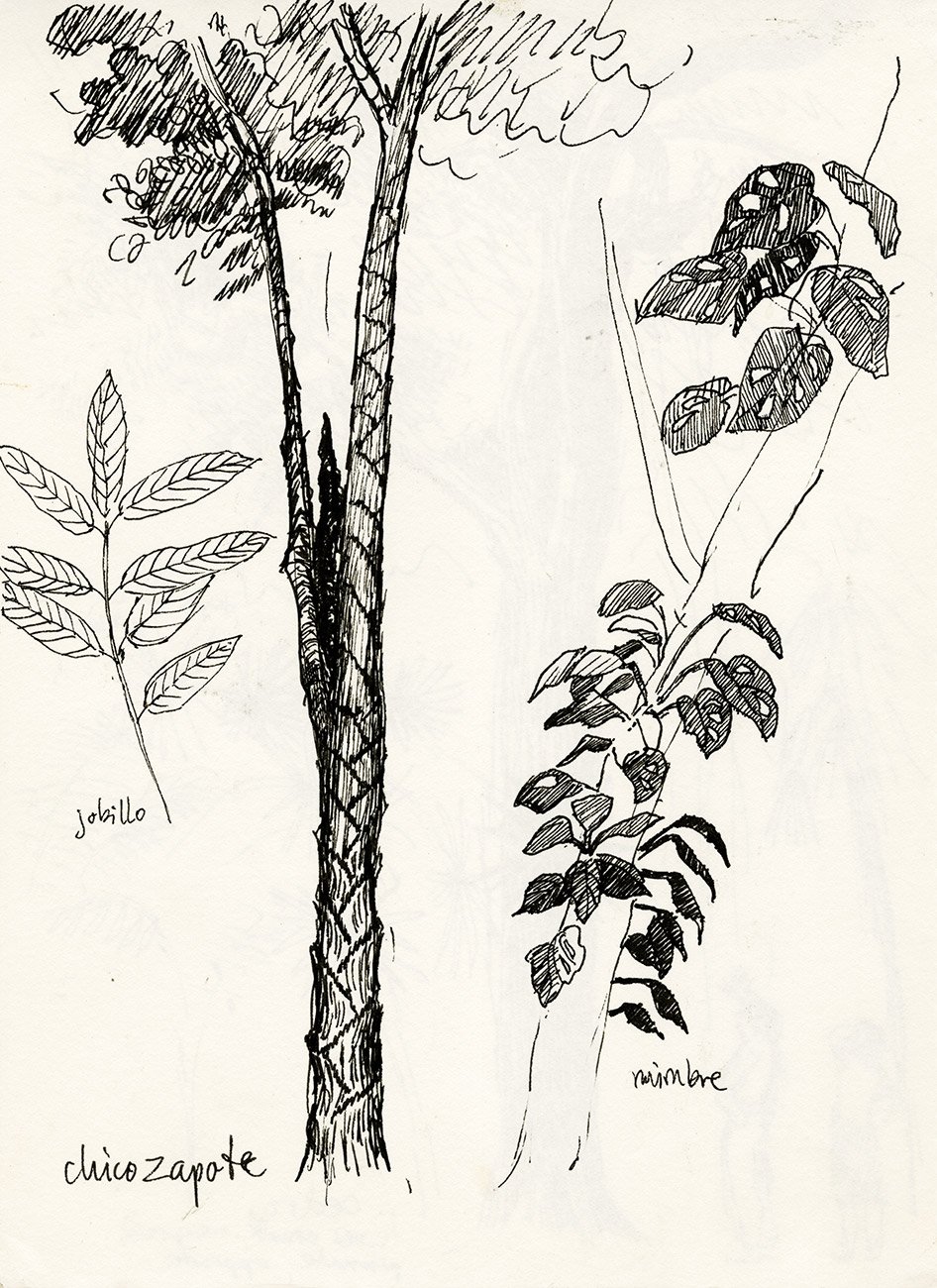
Plants of the dry forest: Jobillo, is used to stun fish for capture, and also in some cancer research; Mimbre or osier makes wicker items; Chicozapote trees produce chicle, the original ingredient of chewing gum, although now most gums are made from synthetic ingredients.
On a lengthy walk through the dry forests of Tikal, Jose, a researcher and professor, leads a teacher training workshop.